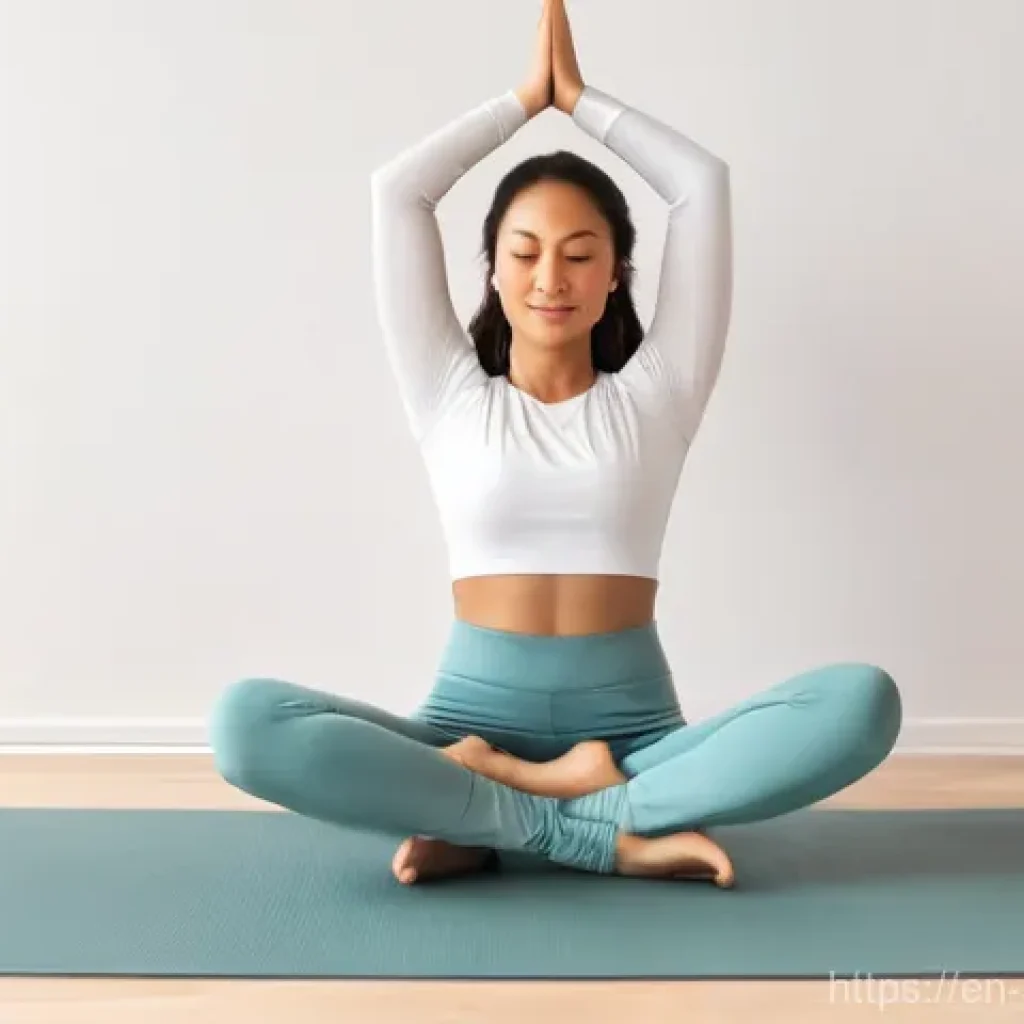
In our whirlwind modern lives, it feels like stress is the uninvited guest that always overstays its welcome, doesn’t it? I totally get it – that persistent knot in your shoulders, the tension headache that just won’t quit.
But what if the key to unlocking a calmer you, and a more relaxed body, was simpler than you ever imagined? I’ve personally discovered that dedicating just a few minutes each day to mindful stretching isn’t just about flexibility; it’s a powerful antidote for mental fatigue and physical strain.
It’s like hitting a gentle refresh button for your entire being, and it truly makes a world of difference. Ready to give your body and mind the peaceful break they deserve?
Let’s dive in and explore some incredible stretching routines designed to melt that stress away.
Unwinding Your Day: Simple Stretches for Morning & Evening
You know that heavy feeling you sometimes wake up with, or the way tension just seems to accumulate in your shoulders by evening? I totally get it. For years, I struggled with feeling perpetually stiff and wound up, thinking I needed a complicated yoga routine or an expensive massage. But what if I told you that just a few minutes of intentional movement at the start and end of your day could make a massive difference? It’s genuinely transformational. I’ve personally found that dedicating a short burst of time to gentle stretching has become my secret weapon against the daily grind. It’s not about achieving a split or touching your toes on day one; it’s about listening to your body, easing into movement, and creating a mindful connection that signals to your nervous
Kickstarting Your Morning with Gentle Movements
When my alarm goes off, my first instinct used to be to hit snooze repeatedly. Now, I try to get out of bed and do a few simple stretches right away. There’s something incredibly grounding about gently waking up your muscles before the day’s demands even begin. I love starting with a full-body stretch, reaching my arms overhead as if I’m trying to touch the ceiling, then slowly folding forward to touch my toes – or at least, as far as I can comfortably go. A few cat-cow stretches on all fours help to mobilize my spine and get the blood flowing. It’s not about intensity; it’s about invitation. Just inviting your body to move, to breathe, to prepare for whatever lies ahead. Trust me, skipping that frantic rush and instead gifting yourself these few minutes of mindful movement sets an entirely different tone for the rest of your day, making you feel more centered and less prone to stress.
Winding Down Your Evening Routine
The transition from a busy day to a restful night can often feel abrupt, leaving your mind buzzing and your body still holding onto tension. That’s precisely why an evening stretch routine has become non-negotiable for me. After dinner, instead of immediately collapsing on the couch, I’ll carve out about 10-15 minutes for some calming stretches. Think gentle twists, a peaceful child’s pose, or a supine hamstring stretch. These aren’t meant to be challenging; they’re designed to gently release accumulated stress from your muscles and signal to your brain that it’s time to slow down. I often combine this with deep breathing exercises, consciously exhaling any worries or tightness. I’ve noticed a significant improvement in how quickly I fall asleep and how much deeper my sleep is. It’s like a lullaby for your muscles, preparing your entire being for a night of restorative rest, and it truly makes a world of difference.
Desk Warrior’s Rescue: Easing Tech Neck and Shoulder Strain
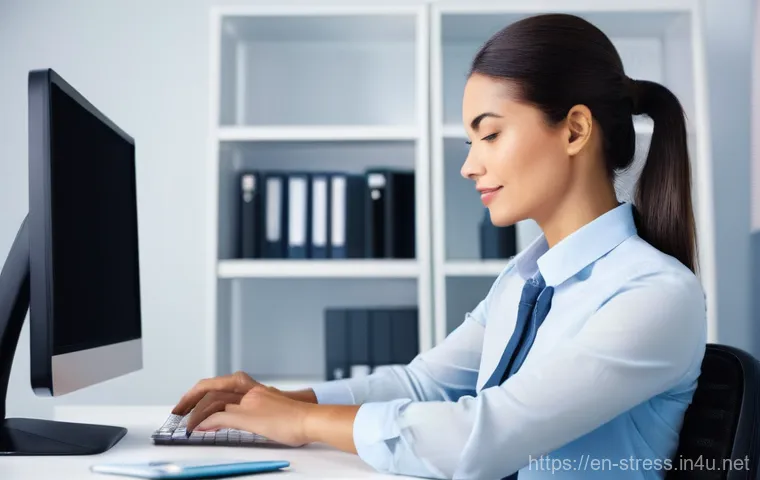
Let’s be real, many of us spend way too much time hunched over screens, whether it’s a laptop, a tablet, or our phones. And if you’re anything like me, you’ve probably experienced that nagging pain in your neck, the tightness across your shoulders, or that dull ache at the base of your skull – what we lovingly call “tech neck.” It’s not just uncomfortable; it can seriously impact your focus and overall well-being. I used to power through my workday, ignoring the stiffness until it became a full-blown headache. But then I realized that even short, strategic breaks could be a game-changer. These aren’t elaborate routines; they’re quick, discreet stretches you can do right at your desk, without even needing to change out of your work clothes. They’re about breaking the cycle of static posture and releasing the tension before it gets a chance to truly settle in and take over your day. It’s empowering to take control of those little aches and pains.
Quick Fixes for Neck and Upper Back Tension
My go-to desk stretches start with gentle neck rolls – slowly tilting my head from side to side, then forward and back, feeling the release in my cervical spine. Then, I move on to shoulder rolls, shrugging them up to my ears and then rolling them back and down, really trying to open up my chest. Another favorite is a simple ear-to-shoulder stretch, gently pulling my head to one side with my hand for a deeper release, then repeating on the other. It’s amazing how much tension we unknowingly hold in these areas. I sometimes even clasp my hands behind my head and gently press my elbows forward, letting the weight of my arms stretch my upper back. These aren’t just physical releases; they’re mental breaks too. They pull me away from the screen for a moment, letting my eyes rest and my mind reset, which surprisingly boosts my productivity when I get back to work.
Opening Up Those Hunched Shoulders
Our shoulders tend to round forward when we’re typing or scrolling, leading to that tight, constricted feeling. To counteract this, I love doing chest openers right at my desk. One simple way is to stand up, clasp my hands behind my back, and gently lift them away from my body, feeling a fantastic stretch across my chest and the front of my shoulders. If standing isn’t an option, I’ll sit tall, interlace my fingers behind my head, and gently open my elbows wide, taking a few deep breaths to expand my rib cage. Another great one is sitting at the edge of my chair, placing my hands on the chair behind me, and gently leaning back to open up my chest. These stretches aren’t just about flexibility; they’re about improving posture and, in turn, increasing oxygen flow. I’ve found that when my chest is open, I breathe more deeply, which instantly helps calm my nervous system and reduce stress, making me feel much more present and comfortable.
Breathing Your Way to Calm: The Power of Mindful Movement
Have you ever noticed how your breath gets shallow and fast when you’re stressed? It’s a natural reaction, but it also traps tension in your body, creating a vicious cycle. What I’ve learned, through countless moments of feeling overwhelmed, is that linking mindful breathing with gentle movement is one of the most powerful stress-busters out there. It’s not just about the stretch; it’s about the intention behind it, the deep breath you take as you extend, and the slow exhale as you release. This practice transforms a simple physical exercise into a moving meditation, grounding you in the present moment and telling your body, “It’s safe to relax now.” I’ve found that when I really focus on my breath during stretches, the release of tension is so much more profound. It’s like the breath acts as a conductor, guiding the stretch deeper and helping to release stubborn knots not just in my muscles, but in my mind too. It’s truly a holistic approach to unwinding.
Synchronizing Breath and Movement for Deeper Release
One of my favorite ways to integrate breath work is during a simple cat-cow flow. As I inhale, I arch my back, drop my belly, and lift my gaze, feeling my chest expand. Then, as I exhale, I round my spine, tuck my chin, and gently press the air out of my lungs. The continuous, fluid movement linked with conscious breathing creates this incredible sense of calm and fluidity. Another great one is during a forward fold: inhaling to lengthen my spine, and then exhaling as I slowly fold deeper, allowing gravity to assist. The slower and more intentional my breath, the more I feel my body letting go. It’s a wonderful way to tune out distractions and just be present with what my body needs. This synergy of breath and movement is a foundational practice in many ancient traditions for a reason – it works wonders for calming the mind and body. It genuinely feels like I’m breathing stress right out of my system.
Using Specific Breath Techniques During Stretches
Beyond just deep breathing, incorporating specific techniques like diaphragmatic breathing (belly breathing) during stretches can supercharge their stress-relieving effects. When I’m holding a gentle hip opener, for instance, I’ll focus on breathing so deeply that my belly rises with each inhale. This activates the vagus nerve, which is a major player in our parasympathetic nervous system – our “rest and digest” mode. Or, during a side bend, I’ll take big, expansive breaths into the side of my ribs, really trying to create space. Another technique I love is pursed-lip breathing, especially when I need to slow down my exhale for a calming effect. It’s simple: inhale through your nose for a count, then exhale slowly through pursed lips for a longer count. Doing this while holding a restorative stretch, like legs-up-the-wall, can be incredibly soothing. These conscious breathing patterns, paired with gentle movement, are like a powerful duo for melting away both physical and mental tension.
Beyond Flexibility: How Stretching Boosts Your Mood
When most people think of stretching, they immediately picture increased flexibility or preventing injuries. And while those benefits are absolutely true and fantastic, I’ve discovered something even more profound: stretching is a surprisingly potent mood enhancer. It’s like a secret shortcut to feeling happier and more grounded. I used to think my mood was entirely at the mercy of external events, but engaging in regular, mindful stretching has taught me that I have a significant influence over my internal state. There’s a tangible shift that happens – a lifting of emotional heaviness, a clearing of mental fog. It’s not just about releasing physical knots; it’s about releasing emotional ones too. I’ve often started a stretching session feeling irritable or anxious, only to finish feeling significantly lighter, more optimistic, and with a renewed sense of calm. It’s truly a testament to the powerful connection between our bodies and our minds, and how caring for one profoundly impacts the other.
Releasing Endorphins and Reducing Cortisol
The science behind this mood boost is fascinating and something I’ve experienced firsthand. When you engage in gentle physical activity like stretching, your body releases endorphins – those wonderful “feel-good” chemicals that act as natural pain relievers and mood elevators. It’s like a natural antidepressant. At the same time, regular stretching helps to lower levels of cortisol, the body’s primary stress hormone. High cortisol levels are linked to anxiety, fatigue, and even depression. So, by actively stretching, you’re not just easing muscle tension; you’re literally altering your body’s chemical balance in a way that promotes well-being and reduces feelings of stress and sadness. I’ve noticed a significant reduction in my overall anxiety levels since I made stretching a consistent part of my routine. It’s an accessible, free way to give your brain a little chemical hug, and it really works.
Cultivating Mindfulness and Emotional Awareness
Beyond the physiological changes, stretching provides a unique opportunity for mindfulness and cultivating emotional awareness. When you’re focused on how your body feels, the gentle pull, the release, the rhythm of your breath, you’re pulled away from worrying about the past or future. You’re fully present. This dedicated time to check in with your physical sensations often brings a greater awareness of your emotional state too. I’ve found that sometimes, a tight hip or a tense shoulder isn’t just physical; it’s holding onto emotional stress. As I gently stretch those areas, I sometimes feel a corresponding emotional release – a sigh, a sense of relief, or even a sudden understanding of what might be bothering me. It’s a powerful self-care practice that helps you process emotions rather than suppress them, leading to a much healthier and more balanced emotional landscape. It’s like therapy, but for your body.
The Ultimate De-Stress Toolkit: Stretches You Can Do Anywhere
Life is unpredictable, and stress can strike at any moment, regardless of where you are. That’s why I’ve curated a mental “de-stress toolkit” of stretches that are incredibly versatile and require absolutely no equipment. Whether I’m stuck in airport traffic, waiting for an appointment, or just taking a quick break from a busy task, these simple movements are my go-to for instant relief. The beauty of these stretches is their adaptability; you can do them in a small space, discreetly, and without drawing any attention. It’s about empowering yourself with tools that you can deploy anytime, anywhere, to take back control when feelings of overwhelm start to creep in. I love knowing that I always have these little moments of peace in my back pocket, ready to be pulled out whenever I need to reset and recenter myself, no matter how chaotic my surroundings might be. It truly gives you a sense of agency over your well-being.
Desk-Friendly Stretches for Instant Calm
When I’m at my desk and feel that familiar tension building, I usually start with some seated side bends, reaching one arm overhead and gently stretching to the opposite side. Then I’ll do a seated spinal twist, carefully rotating my upper body while keeping my hips stable. These are incredibly effective for releasing tension in the spine and obliques. Another absolute gem is the “pec stretch” you can do against a doorway or even a cubicle wall. Just place your forearm against the frame, step forward slightly, and feel that amazing opening across your chest. I also love the “figure four” stretch while seated: crossing one ankle over the opposite knee and gently leaning forward to stretch the hip. It’s discreet, effective, and works wonders for tight hips from prolonged sitting. These little movement breaks aren’t just for your body; they’re vital for giving your mind a mini-vacation too.
Stretches for On-the-Go Stress Relief
For those moments when you’re out and about, maybe standing in a long line or waiting for public transport, there are still plenty of ways to release tension. Calf stretches against a curb or wall are fantastic, not just for your legs but because they encourage better circulation. Gentle neck stretches, as I mentioned before, are always discreet and effective. I also swear by a quick overhead arm reach and then letting my arms swing loosely, like pendulums, to release shoulder tension. Even a simple standing forward fold, letting my head hang heavy, can bring a surprising amount of relief to my back and hamstrings. These aren’t about a full workout; they’re micro-interventions that remind your body it’s okay to relax, even in the midst of a busy day. They’ve saved me from countless moments of mounting stress and discomfort when I’m away from my usual comfort zones.
Reclaim Your Peace: Targeting Tension Hotspots
We all have those unique spots where stress loves to settle, don’t we? For some, it’s the shoulders and neck; for others, it’s the lower back, or even tight hips from too much sitting. I’ve learned that truly effective stress relief comes from understanding your own body and intentionally targeting these personal “tension hotspots.” It’s not a one-size-fits-all approach, and what works for your friend might not be your ultimate solution. My journey to finding peace involved a lot of listening to my body – identifying exactly where that tightness was manifesting and then finding specific stretches to address it directly. This personalized approach feels incredibly empowering because it means you’re not just mindlessly stretching; you’re actively engaging in a dialogue with your body, acknowledging its needs, and providing targeted relief. It’s a practice of self-awareness that yields profound results, making you feel more connected and in tune with your physical self.
Deep Dive into Hip and Lower Back Release
For me, prolonged sitting often leads to incredible tightness in my hips and lower back. These areas can hold a surprising amount of emotional stress, too. To combat this, I’ve found a few go-to stretches that are absolute magic. The pigeon pose, for example, is a fantastic hip opener. Even if you can’t get deep into it, just a gentle version where you bring one knee forward and extend the other leg back can create a significant release. Another favorite is a supine spinal twist, lying on your back and letting your knees fall to one side. It gently mobilizes the lower spine and releases tension in the glutes and hips. For the lower back itself, a child’s pose or a gentle cat-cow movement can provide immense relief. Focusing on deep, slow breaths in these positions allows the muscles to relax more fully. It truly feels like unlocking stubborn knots that have been there for ages, bringing a wave of relief over your entire being.
Unlocking Upper Body and Shoulder Tension
My upper body – especially my shoulders and between my shoulder blades – is another common storage unit for stress. When deadlines loom or I’m feeling overwhelmed, it’s the first place I feel it. To specifically address this, I love using a doorframe for a chest stretch, as mentioned earlier, but also incorporating targeted shoulder stretches. A cross-body shoulder stretch, where you gently pull one arm across your chest, is simple yet incredibly effective. Another one that I find immensely helpful is the “thread the needle” stretch. Starting on all fours, you thread one arm under your body, resting on your shoulder and temple, feeling a deep stretch in your upper back and shoulder blade. This one is a game-changer for releasing that stubborn tension between your shoulder blades. Don’t forget about your wrists and forearms too, especially if you’re typing a lot – simple wrist circles and gentle stretches of the flexors and extensors can prevent further tension from creeping up your arms into your shoulders. These targeted stretches are like little acts of kindness for your overworked muscles.
| Tension Hotspot | Recommended Stretches | Benefits for Stress Relief |
|---|---|---|
| Neck & Upper Back | Neck Tilts, Shoulder Rolls, Ear-to-Shoulder Stretch, Chin Tucks | Releases muscle stiffness, reduces tension headaches, improves posture, calms the mind. |
| Shoulders & Chest | Doorway Pec Stretch, Cross-Body Shoulder Stretch, Arm Swings, Eagle Arms | Opens up the chest, counteracts rounded shoulders, encourages deeper breathing, reduces feelings of constriction. |
| Lower Back & Hips | Cat-Cow Flow, Child’s Pose, Supine Spinal Twist, Pigeon Pose, Figure Four Stretch | Alleviates lower back pain, improves hip mobility, releases stored emotional tension, promotes grounding. |
| Wrists & Forearms | Wrist Circles, Finger Stretches, Forearm Extensor/Flexor Stretches | Prevents repetitive strain injuries, reduces referred tension in arms and shoulders, improves circulation. |
Sleep Soundly: Evening Stretches for Restful Nights
For so long, I wrestled with sleep. My mind would race, my body would feel restless, and counting sheep felt utterly useless. I tried everything – warm milk, no screens before bed, even meditation apps – but nothing truly clicked until I started integrating a specific set of evening stretches into my bedtime routine. It was a revelation! I discovered that gently preparing my body for rest, rather than just expecting it to shut down, made all the difference. These aren’t intense workouts; they’re slow, deliberate movements designed to signal to your nervous system that it’s time to transition from “go mode” to “rest and repair mode.” I’ve personally experienced a dramatic improvement in my sleep quality, falling asleep faster and staying asleep longer. It’s like a peaceful lullaby for your muscles and mind, guiding you gently into a state of profound relaxation. If you’re struggling with sleep, trust me, this might be the missing piece you’ve been searching for.
Calming Your Nervous System with Gentle Movements
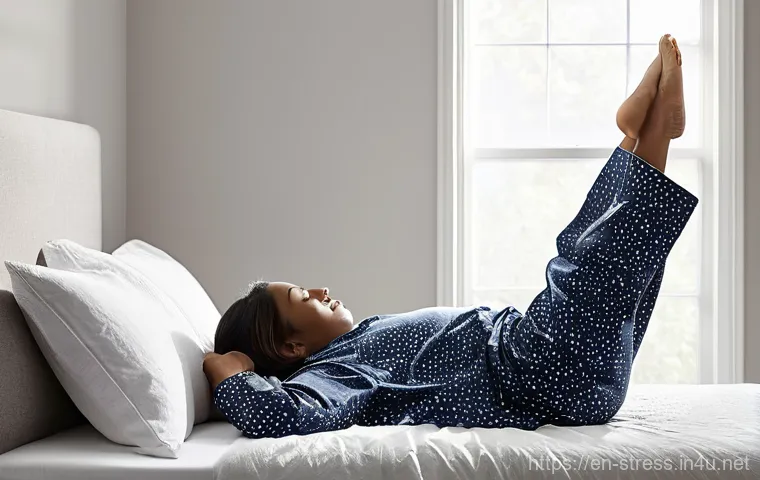
The key to using stretching for better sleep lies in its ability to downregulate your nervous system. Our bodies often hold onto the day’s stresses, even subconsciously. Gentle stretches act as a release valve, letting go of that accumulated physical and mental tension. I typically start with a series of slow, deep breaths, then move into restorative poses. A gentle forward fold, allowing my head to hang heavy, always feels incredibly soothing. Then I might move into a legs-up-the-wall pose, which is fantastic for calming the mind and reducing swelling in the legs. Holding these poses for longer periods, coupled with conscious, deep breathing, sends powerful signals to my brain: “It’s time to unwind.” It’s amazing how much more relaxed my entire body feels, making the transition to sleep so much smoother. It’s like telling your body, “Thank you for all your hard work today; now it’s time to rest.”
Restorative Poses for Deeper Sleep
There are a few specific stretches that have become my non-negotiable bedtime ritual because of how deeply they promote relaxation. The child’s pose is a classic for a reason – it’s incredibly grounding and calming, helping to release tension in the back and hips. I love to hold it for several minutes, focusing on my breath. Another favorite is a simple reclining bound angle pose (Supta Baddha Konasana), where you lie on your back with the soles of your feet together and knees falling open. It’s a gentle hip opener that also opens the chest, promoting a sense of vulnerability and relaxation. Lastly, a gentle supine twist, holding each side for a minute or two, helps to mobilize the spine and release any residual tension. These restorative poses aren’t about pushing your limits; they’re about surrender. They invite your body to completely let go, preparing you not just for sleep, but for truly restorative sleep that leaves you feeling refreshed and ready to tackle the next day with renewed energy and a clearer mind.
Cultivating Consistency: Making Stretching a Sustainable Habit
We all know how easy it is to start a new habit with gusto, only for it to fizzle out after a few days or weeks. I’ve been there more times than I can count! But when it comes to stress-relieving stretching, consistency truly is the magic ingredient. It’s not about doing an hour-long routine every single day; it’s about showing up, even for just 5 or 10 minutes. What I’ve found makes all the difference is finding ways to integrate it seamlessly into my daily life, making it feel less like a chore and more like a cherished moment of self-care. It’s about building a sustainable practice that you actually look forward to, rather than something you feel obligated to do. This consistent effort, however small, compounds over time, leading to profound and lasting changes in your physical and mental well-being. Trust me, it’s worth the effort to find your rhythm and stick with it.
Finding Your Personal Stretch Rhythm
Everyone’s life is different, and what works for one person might not work for another. I used to beat myself up for not being able to do a full 30-minute routine every morning. Then I realized that consistency for me meant breaking it down into smaller, manageable chunks. Maybe it’s 5 minutes of neck and shoulder stretches at my desk midday, 10 minutes of hip openers after my evening walk, and a few restorative poses right before bed. The key is to experiment and find what fits naturally into your schedule without adding extra stress. Perhaps you set a gentle reminder on your phone, or you link it to an existing habit, like stretching while your coffee brews or before you brush your teeth. Don’t aim for perfection; aim for presence. Just show up, listen to your body, and celebrate those small moments of movement. Over time, these tiny habits build into a powerful routine that genuinely supports your well-being.
Overcoming Obstacles and Staying Motivated
Let’s be real, life throws curveballs, and there will be days when you just don’t feel like stretching. That’s completely normal! On those days, I remind myself that even one or two gentle stretches are better than none. I focus on how much better I feel *after* I stretch, rather than the initial inertia. Sometimes, watching a quick online video or listening to a calming playlist while I stretch helps with motivation. Another powerful motivator for me is simply acknowledging the cumulative benefits: the reduced back pain, the clearer mind, the deeper sleep. I keep a mental (or sometimes even a physical) note of how much better I feel when I’m consistent. And if I miss a day or two? No big deal. I simply start fresh the next day without judgment. The goal isn’t to be perfect; it’s to be persistent and kind to yourself. This isn’t just about stretching; it’s about building resilience and a stronger, calmer you.
Wrapping Things Up
Well, we’ve covered quite a bit, haven’t we? It’s truly amazing how something as simple as intentional stretching can weave its way through our entire well-being, touching everything from our morning energy to our nighttime calm, and even our overall mood. I hope by now you’re feeling a little spark of inspiration to give these stretches a try, to reclaim some peace in your day, and to truly listen to what your body is telling you. Remember, this isn’t about perfection or contorting yourself into impossible shapes; it’s about consistent, gentle care. It’s about creating those little pockets of mindfulness that collectively make a monumental difference in how you feel, how you handle stress, and ultimately, how much joy you experience. Your body does so much for you; isn’t it time to return the favor?
Useful Information to Know
1. Listen to Your Body: Always stretch gently and never to the point of pain. Discomfort is okay, but sharp pain means you’ve gone too far.
2. Breathe Deeply: Synchronizing your breath with your movements enhances relaxation and allows for a deeper release of tension.
3. Consistency is Key: Even short, frequent stretching sessions (5-10 minutes daily) are more effective than infrequent, long ones for long-term benefits.
4. Warm Up First: It’s best to do a few minutes of light activity before stretching to increase blood flow to your muscles and reduce injury risk.
5. Stay Hydrated: Proper hydration supports muscle health and flexibility, making your stretching efforts even more effective.
Key Takeaways
Stretching is a powerful, accessible tool for managing stress, improving mood, and promoting better sleep. By incorporating gentle movements into your daily routine, whether it’s a quick desk stretch, a morning wake-up, or an evening wind-down, you can significantly reduce muscle tension, boost feel-good endorphins, and cultivate a stronger mind-body connection. Remember to listen to your body, breathe deeply, and prioritize consistency to unlock these transformative benefits and foster a calmer, more resilient you. It’s truly a gift you can give yourself every single day.
Frequently Asked Questions (FAQ) 📖
Q: How often do I really need to stretch to actually feel a difference in my stress levels?
A: Oh, this is such a common question, and one I wrestled with myself when I first started! We often think we need to dedicate huge chunks of time, but honestly, that’s not the case.
From my own journey, I’ve found that consistency beats intensity every single time. Even just 5-10 minutes a day can be profoundly impactful. Think of it like this: a little bit often adds up to a lot.
I personally aim for a short session in the morning to gently wake up my body and another quick one in the evening to unwind. It’s not about becoming a contortionist; it’s about giving your body and mind a moment to release tension.
I remember one particularly hectic week, I was barely squeezing in 3 minutes here and there, but even those micro-sessions prevented that awful shoulder knot from taking over.
It truly works wonders for maintaining that baseline calm.
Q: What are some go-to stretches you’d recommend for melting away both physical and mental tension?
A: Absolutely! When it comes to specific stretches for stress relief, I’ve got a few favorites that have become my secret weapons. First up, anything that opens the chest and shoulders is a winner because that’s where we tend to hunch up all our worries.
Think a simple Doorway Stretch or even just interlocking your hands behind your back and gently lifting. It feels like someone is physically lifting a weight off your chest, truly.
Then, for that stubborn neck and upper back tension, I swear by gentle Neck Rolls and Cat-Cow stretches. They create this amazing fluidity in your spine that just lets go of so much pent-up stress.
And don’t forget your hips! We hold so much emotional tension there, so a good Figure-Four stretch or even a simple Butterfly pose can be incredibly cathartic.
I always pair these with deep, mindful breaths – that’s where the magic really happens, connecting the physical release with mental calm. Trust me, these aren’t just for flexibility; they’re like hitting a reset button for your entire nervous system.
Q: I’m super busy – how can I possibly fit mindful stretching into my already packed schedule without feeling more stressed?
A: Believe me, I’ve been there! The idea of adding one more thing to a crazy schedule can feel overwhelming. But here’s the game-changer: you don’t need a dedicated yoga mat and an hour of uninterrupted silence.
My biggest tip for busy folks is to weave stretching into your existing routine. Instead of sitting down immediately after a long drive or a few hours at your desk, take 2 minutes to do a standing side bend or a quick shoulder roll.
While you’re waiting for your coffee to brew, do a few calf stretches. Before you hop into bed, spend 5 minutes doing some gentle stretches right there on the mattress – a supine twist or a happy baby pose can feel incredible.
It’s about micro-moments. I used to think I needed a perfect, long session, but I quickly realized that those short, intentional breaks throughout the day make a massive difference.
They break up prolonged periods of stillness and allow your mind to briefly disengage from whatever it’s stressing about. It’s not about finding time; it’s about making time by repurposing small, otherwise unproductive moments.
You’ll be surprised how quickly those little pockets of calm add up.