In today’s fast-paced world, stress seems to be an unavoidable companion for many of us. But what if there was a way to channel that tension into something not only soothing but also creatively fulfilling?
Art therapy is gaining momentum as a powerful tool to transform anxiety and overwhelm into healing and self-expression. Having personally witnessed how colors and shapes can unlock hidden emotions, I’m excited to explore how this approach is reshaping mental wellness.
If you’ve ever felt stuck or overwhelmed, this insight into art therapy might just open new doors for your peace of mind. Let’s dive into how creativity can become your secret weapon against stress.
Unlocking Emotional Release Through Creative Expression
How Art Becomes a Mirror for Inner Feelings
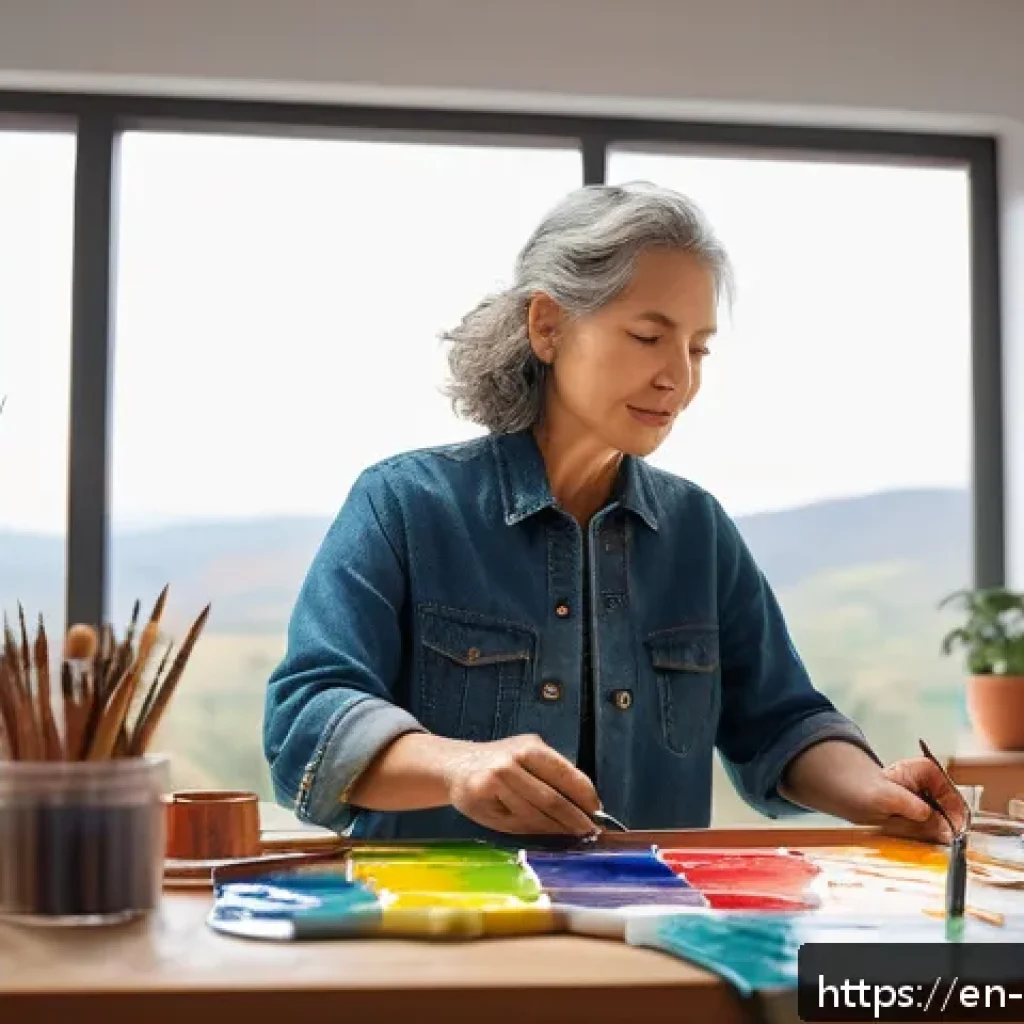
When words fail to capture the swirl of emotions inside, art steps in as a powerful language of its own. Drawing, painting, or even molding clay allows emotions to surface without judgment or the need for explanation.
From my experience, the simple act of choosing colors or shapes can reveal feelings I didn’t even realize were buried deep within. It’s as if the brush becomes a bridge between the conscious and subconscious mind, helping to untangle complex emotions and give them form.
This process often feels like a personal conversation with yourself, where what’s hidden finally finds a voice.
Transforming Anxiety Into Visual Stories
Anxiety often feels like a tangled mess of thoughts and tension, but channeling that energy into art can transform it into something tangible and less overwhelming.
I’ve noticed that when I’m anxious, the urge to create something messy or abstract can be oddly comforting. The unpredictability of colors mixing or lines intersecting mirrors the chaos inside, yet the act of creating offers control and release simultaneously.
This paradox is what makes art therapy so effective—it acknowledges anxiety without trying to suppress it, allowing it to be seen and processed in a safe way.
The Role of Mindfulness in Artistic Practice
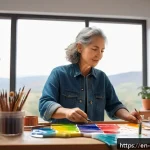
Creating art naturally invites mindfulness, grounding you in the present moment. When you focus on the texture of the paint, the movement of your hand, or the layering of colors, your mind gently shifts away from worries about past or future.
This immersive experience can quiet the mental noise that fuels stress. Personally, I find that spending even 15 to 20 minutes in this mindful state through art can reset my mood and bring a surprising sense of calm that lingers long after the session ends.
Building Confidence and Self-Worth Through Creative Achievements
Small Wins with Big Emotional Impact
Completing an artwork, no matter how simple, can boost self-esteem in ways that words sometimes can’t. I remember feeling a proud sense of accomplishment the first time I finished a painting that expressed my mood clearly.
That feeling of “I made this” builds a positive feedback loop, encouraging more creative attempts and fostering a stronger belief in one’s abilities. This boost can be especially meaningful during stressful times when confidence often takes a hit.
Expressing Identity Beyond Stress
Stress can sometimes make us feel disconnected from ourselves, but art offers a way to reclaim identity and personal narrative. By experimenting with different styles or themes, you’re not only exploring emotions but also rediscovering what makes you unique.
In my journey, I’ve found that art helps me reconnect with parts of myself that get lost in daily stress—whether it’s humor, hope, or curiosity. This renewed self-awareness can be incredibly empowering.
Sharing Art as a Form of Connection
Art can also become a bridge to connect with others, creating shared experiences that validate feelings and reduce isolation. When I share my art with friends or in community groups, it opens doors for conversations about stress and mental health that might otherwise feel difficult.
This social aspect adds an extra layer of healing, reminding us that we’re not alone in our struggles and that creative expression can foster empathy and support.
Choosing the Right Medium for Your Mood and Style
Exploring Different Materials for Varied Emotional Needs
Not all art forms work the same for everyone; some days call for bold acrylics, others for delicate pencil sketches. I’ve learned that tuning into what medium feels right in the moment can enhance the therapeutic experience.
For example, messy finger painting can be freeing when feeling frustrated, while detailed pen work suits moments when I want to slow down and focus. Experimenting with various materials invites flexibility and keeps the process engaging.
Incorporating Digital Tools for Modern Creativity
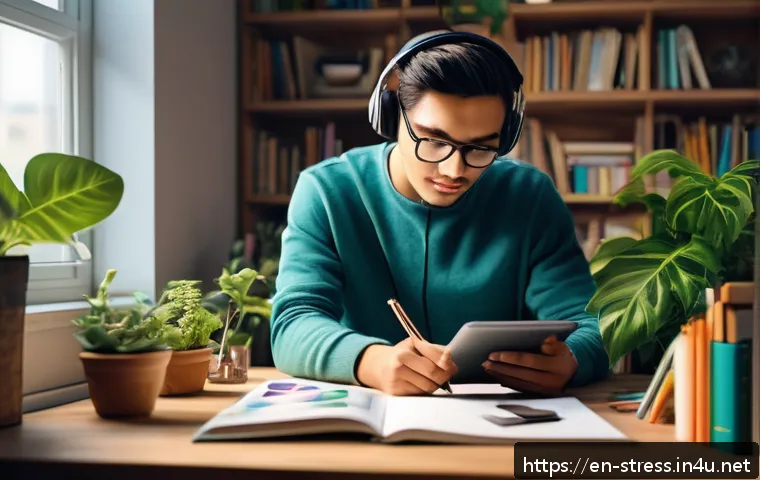
With the rise of digital art apps and tablets, creative expression has become more accessible and versatile. Using digital tools allows undoing mistakes, layering effects, and exploring vibrant colors without cleanup stress—something I find really helpful on hectic days.
Digital art also opens doors to sharing and connecting online communities, adding another dimension to the healing journey. This blend of tradition and technology can accommodate different preferences and lifestyles.
Finding Your Personal Artistic Rhythm
Art therapy isn’t about creating masterpieces but about finding a rhythm that suits your emotional flow. Whether it’s short bursts of creativity or longer immersive sessions, honoring your own pace makes the practice sustainable.
I’ve noticed that pushing myself too hard to create “perfect” art backfires, increasing stress rather than relieving it. Instead, embracing imperfection and focusing on the process rather than the product creates a more nurturing space for healing.
Scientific Insights into Art’s Impact on Stress Hormones
How Art Lowers Cortisol Levels
Research shows that engaging in artistic activities can significantly reduce cortisol, the hormone linked to stress. In studies where participants painted or drew for just 30 minutes, cortisol levels dropped noticeably afterward.
This biochemical change explains why art often leaves people feeling relaxed and refreshed. Personally, I’ve felt this effect firsthand—after a painting session, the tightness in my chest eases, and my mind feels clearer, confirming what science reveals about art’s calming power.
Boosting Dopamine and Enhancing Mood
Creating art also stimulates dopamine, the neurotransmitter associated with pleasure and reward. This chemical boost can improve motivation and mood, helping to break cycles of negative thinking common in stress and anxiety.
When I’m fully absorbed in creating, there’s a tangible uplift in my energy and optimism. This neurochemical response is part of why art therapy can be a powerful adjunct to other mental health practices.
The Role of Neuroplasticity in Emotional Healing
Art therapy encourages new neural pathways by engaging different parts of the brain simultaneously—visual, motor, and emotional centers. This stimulation promotes neuroplasticity, the brain’s ability to rewire itself, which is essential for overcoming trauma and chronic stress.
My own experience with art over time has shown me how repeated creative practice reshapes my emotional responses, making me more resilient and adaptive in stressful situations.
Integrating Art Therapy Into Daily Life
Simple Practices to Start Without Pressure
You don’t need to be an artist to benefit from art therapy. Starting with simple, no-pressure activities like doodling while on a call or journaling with colored pens can gradually introduce creative outlets into your routine.
I found that these small habits made a big difference in managing daily stress, especially when life felt overwhelming. The key is consistency rather than complexity—regular creative moments can add up to significant emotional relief.
Creating a Dedicated Space for Creativity
Having a designated spot for art supplies or creative tools encourages making art a habit. Whether it’s a corner of your room with sketchbooks and paints or a digital folder on your device, this dedicated space signals your brain that it’s time for self-care and expression.
I noticed that when I keep my materials accessible and inviting, I’m more likely to turn to art during stressful times instead of scrolling endlessly on my phone.
Combining Art with Other Stress-Relief Techniques
Art therapy works well alongside mindfulness, breathing exercises, or even physical movement. Integrating these methods creates a holistic approach to stress management.
For instance, starting with a few deep breaths before painting can deepen focus and calm. I often pair gentle stretching with sketching sessions, which helps my body and mind relax simultaneously.
This synergy enhances the overall benefit and keeps the practice enjoyable and effective.
Comparing Art Therapy Techniques and Their Benefits
| Technique | Description | Emotional Benefits | Recommended For |
|---|---|---|---|
| Painting | Using brushes and colors to create expressive visuals | Emotional release, mood enhancement, mindfulness | Those who enjoy tactile and visual stimulation |
| Drawing | Sketching with pencils, pens, or charcoal | Focus, self-reflection, stress reduction | People who prefer detail and control |
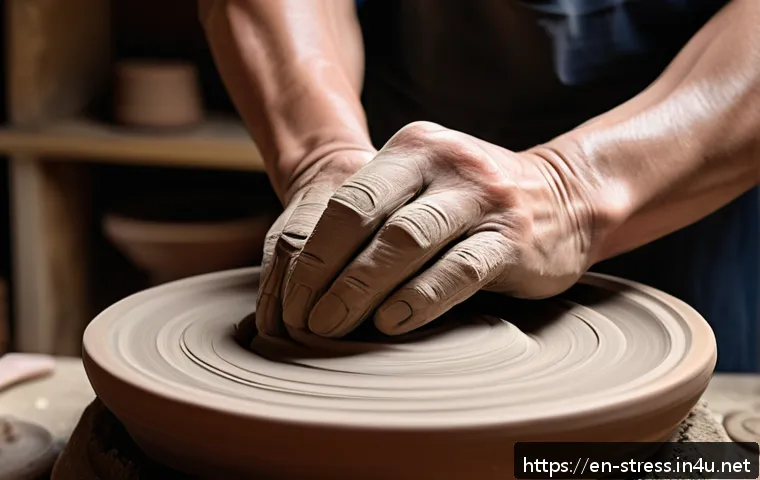
| Sculpting | Molding clay or other materials into shapes | Grounding, physical engagement, anxiety relief | Individuals seeking hands-on sensory experience |
| Collage | Assembling images and textures from various sources | Creativity, problem-solving, identity exploration | Those who like mixed media and storytelling |
| Digital Art | Creating art using tablets or software | Flexibility, accessibility, community connection | Tech-savvy users or those with limited physical space |
Overcoming Common Barriers to Starting Art Therapy
Letting Go of Perfectionism
One of the biggest hurdles I faced was the fear of not being “good enough.” This perfectionism can block creativity and increase stress rather than alleviate it.
Embracing imperfection and viewing mistakes as part of the process was liberating. I encourage anyone starting out to remind themselves that the goal isn’t to create a masterpiece but to express and explore emotions freely.
Finding Time Amid Busy Schedules
It’s easy to feel like you don’t have time for art when life is hectic, but even brief creative moments can make a difference. I started carving out just 10 minutes a day, often before bed, to doodle or color.
This tiny commitment quickly became a cherished routine that helped me unwind. Prioritizing creative self-care is an investment in mental health that pays off in increased resilience and calm.
Accessing Resources and Support
Not everyone has easy access to art supplies or therapy sessions, but many community centers, online platforms, and mobile apps offer affordable or free options.
Joining online art therapy groups or watching tutorial videos can provide guidance and motivation. Personally, tapping into these resources helped me stay inspired and connected when creating alone felt daunting.
Support networks can turn a solitary activity into a shared healing journey.
In Closing
Art offers a unique pathway to understand and express emotions that words sometimes cannot capture. Through creative expression, we not only find relief from stress but also rebuild confidence and deepen self-awareness. Whether through traditional or digital mediums, embracing art as a daily practice can foster emotional healing and connection. It’s a journey of patience, self-compassion, and discovery that anyone can embark on.
Helpful Tips to Remember
1. Start small and keep your creative sessions simple—consistency matters more than complexity.
2. Choose art materials that resonate with your current mood to enhance emotional release.
3. Don’t aim for perfection; focus on the process of expressing yourself freely.
4. Combine art with mindfulness or breathing techniques for a fuller calming effect.
5. Seek out communities or online resources for inspiration and support when needed.
Key Takeaways
Engaging in art therapy can significantly reduce stress hormones and boost mood-enhancing chemicals like dopamine. The practice encourages mindfulness, emotional exploration, and neuroplasticity, helping the brain heal and adapt. Overcoming barriers such as perfectionism and time constraints is essential for sustaining this beneficial habit. Ultimately, art is a powerful tool for emotional resilience and personal growth when approached with openness and patience.
Frequently Asked Questions (FAQ) 📖
Q: uestions about
A: rt Therapy and Stress Relief
Q: How does art therapy actually help reduce stress and anxiety?
A: Art therapy provides a unique outlet for expressing feelings that are often hard to put into words. When you engage in creative activities like painting or drawing, your mind focuses on the process rather than the stressors, which can create a calming effect.
From my own experience, the act of mixing colors or shaping clay allowed me to release tension without consciously thinking about it. This mindful engagement not only distracts from anxiety but also helps uncover and process deep emotions, making it easier to cope with stress in everyday life.
Q: Do I need to be good at art to benefit from art therapy?
A: Absolutely not! The beauty of art therapy lies in the process, not the final product. You don’t need any artistic skills or prior experience.
The goal is self-expression and emotional exploration, not creating a masterpiece. I’ve seen many people who felt hesitant at first but ended up feeling lighter and more peaceful simply by allowing themselves to experiment freely.
It’s about letting go of judgment and embracing creativity as a form of healing rather than performance.
Q: Can art therapy be done alone at home, or do I need a professional therapist?
A: While working with a certified art therapist can provide guided support and deeper insight, you can absolutely start practicing art therapy on your own.
Simple activities like journaling with sketches, doodling, or coloring can be powerful tools for managing stress at home. Personally, I found that setting aside just 15 minutes a day to create something without pressure helped me unwind significantly.
However, if you’re dealing with intense emotions or trauma, seeking professional guidance can enhance your healing journey safely and effectively.