
Hey there, amazing people! In today’s super-connected, always-on world, it’s so easy to feel overwhelmed, isn’t it? We’re constantly chasing deadlines, battling overflowing inboxes, and navigating the endless scroll, often forgetting that true happiness isn’t always found in grand gestures or big achievements.
Trust me, I’ve been there, feeling the pressure mount until I realized something profound. It’s often the tiny, simple pleasures—those delightful little moments we overlook—that hold the most power to soothe our souls and genuinely melt away the stress of the day.
They’re like little pockets of sunshine, ready to be discovered. Ready to infuse a bit more calm and joy into your everyday? Let’s uncover some delightful ways to find your own little moments of bliss.
Crafting Your Perfect Morning Symphony
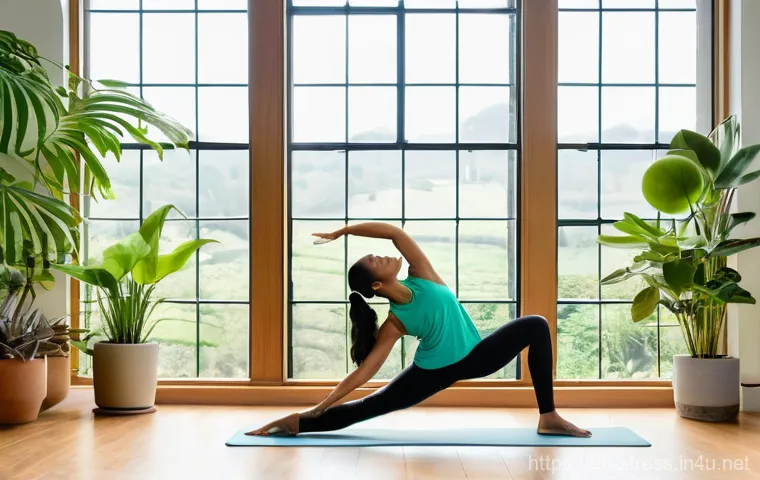
You know that feeling when you wake up, and before your feet even hit the floor, your mind is already racing through a to-do list a mile long? Yeah, I’ve been there more times than I care to admit. It used to be my default setting, but I’ve learned that how you start your day can genuinely set the tone for everything that follows. It’s not about grand gestures or an hour-long meditation session; it’s about intentionally carving out those initial moments to nourish yourself. Think of it as composing your personal morning symphony – a blend of small, harmonious actions that prepare you for whatever the day throws your way. It’s amazing how a few conscious choices can transform a chaotic rush into a serene, powerful start, helping you feel more grounded and less susceptible to the day’s inevitable stresses. Trust me, dedicating just a sliver of time to yourself before the world demands your attention is a game-changer for your overall well-being and productivity. I discovered this when I started struggling with overwhelming work-from-home days, and it’s been my secret weapon ever since.
The Gentle Art of Waking Up Slowly
For years, my alarm clock was my archenemy, jolting me awake with an obnoxious blare that instantly put me on edge. It felt like a daily assault on my senses, kicking off the day with a surge of adrenaline I didn’t need. One day, I decided enough was enough. I switched to a sunrise alarm clock that gradually brightens the room, mimicking a natural dawn, and paired it with a gentle, melodic tune. The difference was astounding. Instead of leaping out of bed in a panic, I found myself gently stirring, allowing my body and mind to ease into consciousness. This simple shift, along with resisting the urge to immediately check my phone, has been transformative. It gives me a precious few minutes to just *be* – to stretch, take a few deep breaths, and mentally prepare for the day ahead without the instant digital deluge. This deliberate slowness in waking up has profoundly impacted my mood and resilience, making me feel calmer and more in control before my first cup of coffee even touches my lips.
Designing Your Personal Pre-Work Ritual
After a gentle wake-up, what’s next? This is where your personal pre-work ritual comes in, and it’s something I absolutely swear by. It’s your sacred time, whatever that looks like for you. For me, it’s about 20 minutes of quiet. I might brew a fresh cup of tea – the ritual of heating the water, watching the leaves unfurl, and feeling the warmth of the mug in my hands is incredibly soothing. Sometimes, I’ll sit by the window and simply watch the world wake up, or I’ll jot down a few thoughts in a journal, not as a chore, but as a way to clear my head. Other days, it’s five minutes of mindful stretching or listening to a calming podcast. The key here isn’t what you do, but *that* you do something solely for yourself before diving into work or family obligations. This dedicated “me time” creates a mental buffer, allowing you to transition from sleep to activity with intention rather than reacting to external demands. It empowers you to approach your tasks with a clearer mind and a more positive outlook, greatly reducing that ‘running on fumes’ feeling by lunchtime.
Finding Magic in the Mundane: Everyday Mindfulness
It’s so easy to let life become a blur, isn’t it? We rush from one task to the next, our minds already three steps ahead, planning, worrying, or simply multitasking. But I’ve discovered that some of the most potent stress-busters aren’t exotic vacations or expensive spa days; they’re hiding in plain sight, nestled within the mundane moments of our everyday lives. The trick, I’ve found, is to sprinkle a little mindfulness into these ordinary actions. It’s about consciously choosing to engage all your senses and truly *experience* what you’re doing, rather than just going through the motions. When you pause to notice the small details, the world around you suddenly becomes richer, more vibrant, and surprisingly calming. This shift in perspective helps to anchor you firmly in the present moment, pulling your mind away from anxious thoughts about the past or future. I remember feeling perpetually scattered until I actively started trying this, and it literally felt like I’d found a secret superpower to slow down time.
The Mindful Cuppa: Savoring Your Drink
Think about your morning coffee or afternoon tea. How often do you really taste it? For years, my coffee was just a fuel source, gulped down while scrolling through emails or commuting. It was functional, but not enjoyable. Then, a friend challenged me to try a “mindful cuppa.” It sounded a bit silly at first, but I gave it a shot. Now, I make it a point to truly experience that first cup of coffee or tea. I notice the aroma as it brews, the warmth of the mug in my hands, the steam rising, and the complex flavors on my tongue. I take slow sips, letting each one truly register. It’s not about judging the taste, but simply observing it. This small ritual, just a few minutes long, transforms a routine action into a tiny meditation. It grounds me, offers a moment of sensory pleasure, and pulls me away from the endless mental chatter. It’s such a simple act, yet it consistently provides a much-needed pause in my day, proving that even the most ordinary things can bring profound calm if you let them.
Turning Chores into Conscious Acts
Chores – ugh, right? They’re often seen as tedious, something to get through as quickly as possible. But what if we reframed them? What if we approached them not as burdens, but as opportunities for mindful movement and presence? I used to detest doing dishes. My mind would wander, usually to something stressful, and I’d just want to be done. Then, I tried turning it into a mindful activity. I focused on the warm water, the slippery soap, the feel of the sponge, the clinking of the plates. I concentrated on the act itself, rather than the outcome or what I needed to do next. It sounds strange, but it actually made the task less annoying, almost meditative. The same goes for folding laundry, walking the dog, or watering plants. By consciously engaging with the physical sensations and the rhythm of the task, you can transform a dreaded chore into a quiet moment of focus. It’s not about loving every chore, but about finding a way to imbue them with enough presence to turn off the mental noise for a little while, offering a welcome respite from an overactive mind.
Nature’s Embrace: Your Outdoor Sanctuary
In our hyper-connected, often indoor-bound lives, it’s easy to forget the incredible, restorative power of the natural world. But for me, stepping outside, even just for a few minutes, is like hitting a reset button for my entire being. It’s a profound shift from the artificial glow of screens and the hum of everyday life to the soothing symphony of birdsong, the rustle of leaves, or the gentle caress of a breeze. I’ve found that even a tiny patch of green or a glimpse of the sky can work wonders in melting away tension and sparking a sense of calm. There’s something inherently grounding about connecting with nature that helps put things into perspective and reminds us of the vast, beautiful world beyond our immediate concerns. Whenever I feel overwhelmed or creatively blocked, my first instinct is to seek out some greenery. It’s truly a sanctuary available to everyone, and harnessing its power is one of the simplest, most effective ways I’ve discovered to soothe my soul and reignite my inner peace.
The Joy of a Simple Stroll
You don’t need to embark on a strenuous hike to reap the benefits of nature. A simple walk around your block, through a local park, or even just in your backyard can be incredibly therapeutic. I used to think walks had to be for exercise, pushing myself to hit a certain number of steps. But then I started taking “discovery walks” – walks where the only goal was to notice things. I’d pay attention to the different shades of green on the trees, the intricate patterns of a spiderweb, the sound of a distant bird, or the unique architecture of a house I’d passed a hundred times before. This shift from a goal-oriented walk to a purely observational one completely changed the experience. It became a moving meditation, allowing my mind to quiet down as my senses became engaged with the external world. It’s a wonderful way to break free from rumination and allow fresh air and natural beauty to wash over you, providing a refreshing mental cleanse that few other activities can match. Even a ten-minute wander can make a world of difference.
Cultivating Your Green Oasis
What if you can’t always get out into a vast natural space? Bring nature to you! I’ve found immense joy and stress relief in cultivating a small “green oasis” right in my home. This could be anything from a thriving indoor plant collection to a tiny balcony garden, or even just a vase of fresh flowers on your desk. There’s something incredibly satisfying about nurturing living things and watching them grow. The act of watering plants, pruning leaves, or simply admiring their beauty creates a tangible connection to the natural world, even indoors. My living room transformed once I started adding more houseplants; their vibrant green hues and the subtle scent of earth created a much calmer, more inviting atmosphere. Taking a few moments each day to tend to them, or simply sit among them, provides a quiet, reflective pause that helps to anchor me. It’s a constant reminder of growth, patience, and the simple beauty of life, offering a miniature escape from daily pressures and a boost of fresh energy.
Creative Escapes: Igniting Your Inner Spark
Sometimes, when stress feels like a heavy blanket, the best way to shake it off is to tap into that playful, imaginative part of ourselves we often sideline as adults. Remember how freely you used to create as a child, without judgment or expectation? Reconnecting with that innate desire to make something, anything, can be incredibly liberating and profoundly therapeutic. It’s not about producing a masterpiece or having any particular talent; it’s purely about the process, the joy of engaging your hands and mind in a different way. When you immerse yourself in a creative activity, your worries tend to fade into the background, replaced by focus and a sense of flow. This deliberate shift from analytical thought to intuitive, expressive action acts as a powerful mental detox, allowing your brain to rest from its usual problem-solving mode. I’ve personally experienced how much lighter and more energized I feel after even a short creative burst, realizing it’s a vital outlet for processing emotions and finding a sense of accomplishment outside of daily tasks.
Doodling, Journaling, and Freeform Writing
You don’t need a canvas or a pottery wheel to be creative. Sometimes, the simplest tools are the most effective. I’ve found immense comfort and clarity in the humble act of doodling and freeform writing. Grab a pen and paper – any pen, any paper – and just let your hand move. Doodle shapes, patterns, abstract designs; don’t try to draw anything specific. Or, try stream-of-consciousness writing, where you just write whatever comes to mind without censoring yourself. There’s no right or wrong, no grammar rules, no audience. This process is incredibly cathartic because it allows your subconscious to express itself without the usual filters. It’s a way to externalize nagging thoughts, explore ideas without pressure, or simply enjoy the physical act of creation. I often fill pages with swirling lines and disjointed thoughts, and by the end, I feel a tangible release of mental clutter. It’s a non-committal way to engage your creative brain and give your analytical mind a much-needed break, proving that sometimes, the simplest acts yield the most profound inner peace.
Rediscovering Forgotten Hobbies
Remember that hobby you used to love but somehow drifted away from? That old guitar gathering dust in the corner, the half-finished knitting project, or the photography passion that got sidelined by life’s demands? Now might be the perfect time to rekindle that flame. Re-engaging with a forgotten hobby is like revisiting an old friend – comfortable, familiar, and deeply satisfying. It taps into a part of you that’s often neglected, bringing a sense of nostalgic joy and purposeful engagement. The act of learning something new or refining an old skill can be incredibly rewarding, providing a healthy challenge and a sense of achievement outside of your usual responsibilities. I recently picked up painting again after years, and even though my attempts are far from perfect, the sheer joy of mixing colors and seeing something emerge on the canvas is exhilarating. It’s a reminder that not everything has to be productive in a commercial sense; some things are just for pure enjoyment. Dedicating time to these personal passions enriches your life and provides a fantastic buffer against daily stress, offering a dedicated space for pure, unadulterated enjoyment.
The Sweet Spot of Solitude: Nurturing Your Inner Peace
In a world that constantly encourages connection and collaboration, it’s easy to feel guilty about seeking solitude. But I’ve learned that quiet, undisturbed moments are absolutely essential for mental and emotional well-being. True solitude isn’t about loneliness; it’s about intentionally carving out space for yourself to recharge, reflect, and simply *be*. It’s a sanctuary where you can hear your own thoughts without interruption, process your feelings, and reconnect with your inner self. Think of it as hitting the pause button on the external world to tune into your internal one. In these moments, you’re not obligated to entertain, perform, or react; you’re simply existing, and that in itself is a powerful act of self-care. I used to dread being alone, always seeking company, until I realized how depleted I felt. Now, I actively schedule solitude, knowing it’s crucial for maintaining my energy and perspective, helping me navigate the demands of life with a much calmer and clearer mind. It’s truly where some of my best ideas and deepest comforts arise.
Creating Your Personal Quiet Zone
It doesn’t matter if you live in a bustling family home or a tiny apartment; you can always create a personal quiet zone. This isn’t necessarily a physical room, but rather a designated space or time where you can retreat from external stimuli. For me, it might be my reading nook, a comfortable chair by a window, or even just my bed with a good book. The key is to make it a place where you feel safe, comfortable, and undisturbed. This might involve setting boundaries with family members or roommates, explaining that this time is sacred for your mental health. Turn off notifications, put on some gentle instrumental music if you like, or just embrace the silence. The regularity of having such a retreat, even for just 15-20 minutes a day, provides an invaluable anchor. It’s your personal sanctuary, a little bubble where you can decompress, meditate, or simply sit in peaceful contemplation, allowing your mind to unwind and your spirit to feel replenished. I found that just declaring a spot “my quiet corner” instantly made it feel more potent.
Embracing the Silent Pause
Beyond a physical quiet zone, there’s immense power in embracing the “silent pause” throughout your day. These are those brief, intentional moments of stillness you can weave into any activity. Instead of immediately reaching for your phone during a lull in conversation, or filling every quiet moment with background noise, try just being present in the silence. It could be while waiting for coffee to brew, standing in line at the grocery store, or even during a commercial break. Use these micro-moments to take a few deep breaths, observe your surroundings, or simply notice the sensations in your body. It’s not about achieving anything, but about consciously choosing not to fill every empty space. These small, deliberate pauses act as mini-resets for your nervous system, allowing you to catch your breath and recenter yourself before the next wave of activity. I’ve noticed a significant reduction in my overall stress levels since I started actively seeking out and appreciating these silent gaps; they provide tiny, yet profound, moments of peace that accumulate throughout the day.
Savoring Simple Pleasures: Culinary Comforts and Beyond
When life gets hectic, it’s easy to fall into the trap of mindless consumption – eating on the go, rushing through meals, or barely noticing what we’re putting into our bodies. But I’ve discovered that food, and indeed any sensory experience, can be a powerful source of profound joy and comfort if we just slow down enough to truly savor it. It’s not about extravagant meals or fancy treats, but about appreciating the simple, everyday culinary delights that often go unnoticed. This mindful approach extends beyond food, too, to anything that engages our senses in a pleasing way. By intentionally tuning into these small sensory pleasures, we create pockets of joy that break through the noise of daily stress, anchoring us firmly in the present moment and reminding us of the richness available in ordinary life. It’s a practice I adopted when I realized I was constantly feeling rushed, and it truly helps me to feel more nourished, not just physically, but emotionally and spiritually as well, which ultimately elevates my overall mood.
The Art of Mindful Eating
Mindful eating is a practice that has genuinely transformed my relationship with food and, surprisingly, my stress levels. It’s about more than just tasting your food; it’s about engaging all your senses in the experience. Before even taking a bite, I’ll take a moment to look at my meal – appreciating the colors, textures, and presentation. Then, I’ll notice the aroma, letting the scents awaken my appetite. When I finally take a bite, I chew slowly, focusing on the flavors, the textures, and how the food feels in my mouth. I also pay attention to my body’s signals – am I truly hungry? Am I satisfied? This deliberate approach helps me to eat more slowly, digest better, and derive far more pleasure from my meals. It turns what could be a rushed, unconscious act into a deeply satisfying and calming ritual. This isn’t a diet; it’s a way of being present with one of life’s most fundamental pleasures, proving that even a simple sandwich can become a moment of pure bliss if you allow yourself to truly experience it, free from distractions.
Beyond the Plate: Sensory Delights
While food is a fantastic starting point, the world is full of other sensory delights just waiting to be savored. Think about the warmth of a cozy blanket on a chilly evening, the rich scent of a favorite candle, the feeling of soft rain on your skin, or the comforting melody of a cherished song. These small, often fleeting moments can offer profound comfort and joy if you consciously tune into them. I’ve made it a habit to seek out and appreciate these sensory anchors throughout my day. It might be pausing to notice the comforting hum of my refrigerator, the soft texture of my favorite sweater, or the beautiful light filtering through my window in the late afternoon. These aren’t big, impactful events; they’re subtle, almost imperceptible nuances that, when acknowledged, add a layer of richness and contentment to everyday life. By actively noticing and appreciating these subtle sensory details, you create mini-breaks for your mind, allowing you to step out of the stress cycle and into a space of pure, unadulterated enjoyment. It’s about building a repertoire of feel-good moments that you can access anytime, anywhere.
Connecting with Others: The Warmth of Shared Moments

While solitude is vital, human connection is equally crucial for our well-being and a powerful antidote to stress. In our increasingly digital world, it’s easy to feel connected yet simultaneously isolated. But I’ve found that some of the most heartening, stress-melting moments come from genuinely connecting with others, whether it’s a deep conversation, a shared laugh, or simply a moment of mutual understanding. These aren’t necessarily grand social gatherings; often, it’s the small, authentic interactions that leave us feeling most seen, heard, and supported. When you actively engage with another person, even briefly, it pulls you out of your own head and reminds you that you’re part of a larger, interconnected tapestry. This sense of belonging and shared humanity can be incredibly uplifting, reducing feelings of isolation and boosting your mood. I’ve personally experienced how much a genuine chat with a friend or a kind word from a stranger can shift my perspective and brighten even the toughest days, reinforcing the idea that we truly thrive on positive human interaction.
The Joy of a Thoughtful Conversation
How often do we truly listen during conversations? In our fast-paced world, it’s easy to get caught up in waiting for our turn to speak, or planning our response. But I’ve discovered that engaging in a truly thoughtful conversation – one where you’re fully present and actively listening to the other person – is incredibly rewarding and stress-reducing. It’s about putting away distractions, making eye contact, and genuinely trying to understand what the other person is saying, both verbally and non-verbally. This kind of deep connection fosters a sense of empathy and mutual respect, which is incredibly nourishing for the soul. It could be catching up with an old friend over coffee, having a meaningful chat with a family member, or even just a warm exchange with a neighbor. These interactions create a feeling of being understood and valued, which is a powerful balm for a stressed mind. It reminds you that you’re not alone in your experiences and that sharing your world with others can bring immense comfort and clarity. I always feel a renewed sense of connection and peace after such a conversation.
Acts of Kindness: Giving and Receiving
It’s a universal truth that giving feels good, but sometimes we forget just how profound an impact a small act of kindness can have, not just on the recipient, but on ourselves. Whether it’s holding a door for someone, offering a genuine compliment, helping a neighbor with a small task, or simply smiling at a stranger, these small gestures create a ripple effect of positivity. The act of giving redirects your focus outward, away from your own anxieties, and connects you to the broader human experience. And equally important is allowing yourself to receive kindness; sometimes, that’s even harder. Learning to accept a helping hand or a thoughtful gesture with grace is also an act of connection. I remember a particularly stressful week when a colleague unexpectedly brought me my favorite coffee. It was such a small thing, but it completely turned my day around. Both giving and receiving these small acts of kindness foster a sense of warmth, gratitude, and interconnectedness that is incredibly effective in melting away stress and fostering a more joyful outlook on life. It reminds us of the inherent goodness in people.
Mindful Movement: Gentle Ways to Rejuvenate Body and Soul
When stress starts to build, our bodies often bear the brunt of it, tightening up and storing tension in ways we might not even realize. For a long time, my go-to stress relief involved intense workouts, thinking I could “sweat out” the anxiety. And while vigorous exercise has its place, I’ve since discovered the profound healing power of gentle, mindful movement. It’s not about pushing your limits or breaking a sweat; it’s about listening to your body, moving with intention, and releasing tension rather than creating more. This approach integrates your mind and body, allowing you to become more attuned to your physical sensations and emotional state. Engaging in mindful movement helps to interrupt the stress response, calm the nervous system, and restore a sense of balance and fluidity within. It’s a wonderful way to honor your body and give your mind a much-needed break from endless thoughts. I’ve found that even a few minutes of intentional movement can dramatically shift my mood and alleviate physical discomfort, making it an indispensable tool in my daily quest for peace.
The Gentle Flow of Stretching and Yoga
You don’t need to be a yoga guru to incorporate gentle stretching or simple yoga poses into your routine. These practices are incredibly accessible and offer immediate benefits for stress reduction. I started with just five minutes of stretching each morning, focusing on deep breaths as I moved through each stretch. It was amazing how quickly I felt a release of tension in my shoulders, neck, and lower back – areas where I notoriously hold stress. The beauty of it is that it’s entirely customizable; you can follow a guided video, or simply listen to your body and move in ways that feel good. Simple cat-cow stretches, gentle twists, or even just reaching your arms overhead can do wonders. The combination of slow, deliberate movement with conscious breathing creates a meditative state that calms the mind while simultaneously loosening up your muscles. It’s a fantastic way to gently wake up your body, improve flexibility, and provide a mental escape, leaving you feeling more centered and less rigid, ready to face the day with renewed ease. It’s truly a gift you can give yourself every single day.
Walking Meditation: Moving with Awareness
We often think of meditation as sitting still, but a walking meditation can be just as powerful, especially if you find it hard to sit quietly. This practice involves bringing a heightened sense of awareness to the act of walking itself. As you walk, pay attention to the sensation of your feet connecting with the ground, the rhythm of your steps, the swing of your arms, and the gentle movement of your breath. Notice the sights, sounds, and smells around you without judgment, simply observing them as they pass. It’s not about getting to a destination, but about experiencing each moment of the journey. I often do this when I’m feeling overwhelmed; I’ll step outside and consciously focus on the act of putting one foot in front of the other, letting the rhythm of my steps become a soothing mantra. This gentle, repetitive motion, combined with sensory awareness, helps to quiet the incessant chatter of the mind and bring you firmly into the present moment. It’s a simple, yet profound way to ground yourself, release pent-up energy, and find a sense of moving peace amidst life’s demands.
Curating Your Digital Detox Moments
In our modern lives, our devices are often extensions of ourselves, providing constant connection, information, and entertainment. But this always-on culture, while convenient, can also be a significant source of stress, leading to information overload, comparison fatigue, and a constant feeling of needing to respond. I’ve realized that intentionally stepping away from screens and curating “digital detox moments” isn’t just a luxury; it’s an essential practice for maintaining mental clarity and emotional well-being. It’s about consciously choosing to disconnect from the digital world to reconnect with yourself and the tangible world around you. This doesn’t mean you have to go completely off the grid for days; even short, strategic breaks can make a massive difference in reducing anxiety and improving your focus. I used to feel an almost compulsive need to check my phone, but since I started incorporating these mini-detoxes, I feel significantly less overwhelmed and more present in my own life. It’s amazing how much clearer your mind becomes when it’s not constantly processing digital input.
The Sacred Hour (or Thirty Minutes) Before Bed
One of the most impactful digital detox practices I’ve adopted is creating a “sacred hour” (or even just thirty minutes) before bed, completely free of screens. For years, I would scroll through social media or watch TV right up until my head hit the pillow, only to find my mind buzzing and sleep elusive. Now, I make a conscious effort to put away my phone, tablet, and laptop at least 30-60 minutes before I plan to sleep. Instead, I might read a physical book, listen to some calming music, do some gentle stretches, or simply chat with my partner. This allows my brain to wind down naturally, without the stimulating blue light and constant influx of information that screens provide. The difference in my sleep quality has been phenomenal; I fall asleep faster and sleep more deeply. This small habit has not only improved my rest but also created a peaceful transition from the busyness of the day to the calm of the night, significantly reducing that pre-sleep anxiety that used to plague me. It’s a simple boundary with immense benefits.
Scheduled Screen-Free Zones and Activities
Beyond bedtime, it’s incredibly beneficial to establish scheduled screen-free zones and activities throughout your day or week. This could look different for everyone. For me, it means no phones at the dinner table, dedicating Saturday mornings to reading or gardening without any digital interruptions, or leaving my phone in another room while I’m cooking. The idea is to intentionally designate times and places where your attention is fully on the present moment and the activity at hand, rather than being constantly pulled by notifications. These periods of disconnection create mental whitespace, allowing your brain to rest and process information more effectively. It also fosters deeper engagement with whatever you’re doing, whether it’s enjoying a meal with loved ones, immersing yourself in a hobby, or simply enjoying the quiet. It helps you regain control over your attention, rather than letting your devices dictate it. Implementing these small, consistent breaks from the digital world has made me feel less fragmented and more genuinely engaged with my life, leading to a noticeable reduction in ambient stress.
The Art of Self-Compassion: Being Kind to Yourself
We often extend kindness and understanding to our friends, family, and even strangers, but when it comes to ourselves, we can be our own harshest critics. In the relentless pursuit of perfection or productivity, it’s incredibly easy to fall into a trap of self-judgment, pushing ourselves relentlessly and dismissing our own needs. But I’ve learned that one of the most powerful tools for stress relief, and indeed for overall happiness, is cultivating self-compassion. It’s about treating yourself with the same warmth, care, and understanding you would offer a dear friend who is struggling. This isn’t about self-pity or making excuses; it’s about acknowledging your humanity, recognizing that imperfections are part of the journey, and offering yourself kindness in the face of setbacks or difficulties. When you practice self-compassion, you create an inner sanctuary where you feel safe, supported, and worthy, which is an incredible buffer against the relentless pressures of the outside world. I discovered this when I was burning out, realizing that my internal monologue was far more critical than any external pressure, and making that switch was life-changing.
Acknowledging Your Emotions Without Judgment
One of the foundational steps in self-compassion is simply allowing yourself to feel your emotions without judgment. How often do we try to push away “negative” feelings like sadness, anger, or frustration, telling ourselves we “shouldn’t” feel that way? But emotions are just signals, and suppressing them only amplifies their power. Instead, try to approach your feelings with curiosity and acceptance. Acknowledge them: “I’m feeling really overwhelmed right now,” or “I’m feeling a wave of sadness.” Don’t try to fix them, analyze them immediately, or label them as good or bad. Just let them be. This act of non-judgmental awareness is incredibly liberating. It creates space for your emotions to exist without consuming you, allowing them to flow through you rather than getting stuck. I’ve found that when I give myself permission to feel whatever I’m feeling, the intensity often diminishes, and I gain a clearer perspective. It’s a powerful way to validate your inner experience and reduce the secondary stress that comes from fighting with your own feelings.
Celebrating Small Wins and Daily Progress
In our goal-oriented society, it’s easy to focus only on the big achievements and overlook the small victories that pave the way. But practicing self-compassion also involves celebrating your small wins and acknowledging your daily progress, no matter how minor. Did you finally tackle that annoying email you’d been putting off? Did you make a healthy meal? Did you simply get through a challenging day? These are all worthy of recognition. Instead of constantly pushing for the next big thing, take a moment to pat yourself on the back for the efforts you’ve made, the challenges you’ve overcome, and the positive choices you’ve made throughout the day. This practice helps to build a more positive internal narrative and fosters a sense of accomplishment, even when the bigger picture feels daunting. It reinforces the idea that you are capable and resilient, boosting your self-esteem and providing a much-needed antidote to self-criticism. It’s about being your own cheerleader and recognizing that every step forward, no matter how small, is still progress. I make it a habit to list three small “wins” at the end of each day, and it radically changes my perspective.
Embracing Playfulness: Rekindling Your Inner Joy
As adults, we often get so caught up in responsibilities and seriousness that we forget the vital role of play. Play isn’t just for kids; it’s a fundamental human need that acts as a powerful stress reliever and a direct pathway to joy. It’s about engaging in activities purely for the pleasure of it, without any agenda, goal, or expectation of productivity. When you allow yourself to be playful, you tap into a lighter, more carefree part of your being, releasing tension and sparking creativity. It’s a wonderful way to break free from rigid thinking and embrace spontaneity, reminding you that life doesn’t always have to be so serious. I’ve personally experienced how much a moment of genuine playfulness can shift my mood from stressed to smiling, making me feel re-energized and ready to tackle challenges with a fresher perspective. It’s a powerful reminder that sometimes, the best way to solve a problem or overcome stress is to simply step away and do something completely different, purely for the fun of it. It truly ignites something special within.
Injecting Fun into Routine Tasks
Who says routine tasks have to be boring? With a little imagination, you can inject playfulness into even the most mundane activities. For instance, turn cleaning into a dance party by putting on your favorite upbeat music and grooving while you tidy up. Or, make cooking an adventure by experimenting with a new recipe or creating a “mystery box” challenge for yourself using ingredients you already have. Even a solo commute can become a moment of play by listening to a hilarious podcast, singing along loudly to your favorite songs, or inventing silly scenarios in your head. The goal isn’t to make every moment a laugh riot, but to find small opportunities to lighten the mood and approach tasks with a sense of curiosity and lightheartedness. This shift in mindset can transform dreaded chores into enjoyable experiences, making your day feel less like a grind and more like an opportunity for joyful engagement. I started doing this with my laundry, blasting some 80s pop, and now it’s one of my favorite chores!
Mindless Fun: Pure, Unadulterated Joy
Sometimes, the best kind of play is the one that requires absolutely no thought, no skill, and no goal other than pure, unadulterated fun. This could be anything from blowing bubbles in your backyard, building a fort in your living room (yes, even as an adult!), throwing a frisbee at the park, or simply playing a silly board game with friends. It’s about letting go of adult inhibitions and allowing yourself to be present in the moment of joy. These activities provide a powerful release from mental strain, allowing your brain to enter a state of relaxed awareness. They connect you to your inner child, reminding you of the simple, potent happiness that comes from carefree engagement. The beauty of mindless fun is its spontaneity and lack of pressure; it’s just about feeling good. I make it a point to seek out these moments, whether it’s a spontaneous dance-off in the kitchen or a quick game of charades. They are pure gold for melting away stress and injecting a much-needed dose of vibrant energy back into my life, proving that sometimes the silliest things bring the biggest smiles.
| Category | Idea for Instant Joy | Why it Works |
|---|---|---|
| Sensory Delights | Sip your favorite hot drink slowly, focusing on aroma and warmth. | Engages senses, promotes mindfulness, creates a cozy anchor. |
| Nature Connection | Look out a window and truly observe the sky for 2 minutes. | Grounds you, offers perspective, calms the visual field. |
| Creative Spark | Doodle on a piece of paper during a phone call. | Releases mental energy, allows for non-judgmental expression. |
| Mindful Movement | Take 5 deep, slow breaths, focusing on the rise and fall of your chest. | Activates the parasympathetic nervous system, reduces tension. |
| Human Connection | Send a quick, heartfelt text to someone you appreciate. | Fosters gratitude, strengthens bonds, spreads positive energy. |
| Digital Detox | Leave your phone in another room for 30 minutes while doing something else. | Reduces overwhelm, improves focus, encourages presence. |
Wrapping Things Up
So, there you have it – a collection of powerful yet incredibly simple ways to infuse calm and joy into your daily life. It’s easy to get caught up in the relentless pace of modern living, feeling perpetually overwhelmed, but I’ve personally found that incorporating these small, intentional practices makes a world of difference. Remember, finding your inner peace isn’t about grand gestures or radical life changes; it’s about consistently making space for moments of mindfulness, connection, and self-care. It’s a journey, not a destination, and every single step you take towards nurturing your well-being is a victory. Trust me, your mind and body will thank you for it, and you’ll soon discover a more resilient, radiant version of yourself emerging.
Handy Tips You’ll Wish You Knew Sooner
1. Start Small and Be Consistent: Don’t try to overhaul your entire routine at once. Pick just one or two small practices that resonate with you, like a mindful morning stretch or a five-minute digital detox before bed. Consistency, even for short periods, builds powerful habits.
2. Schedule “Me Time”: Seriously, put it in your calendar! Whether it’s 10 minutes of quiet contemplation, a stroll outside, or time for a forgotten hobby, treating it like an important appointment makes it more likely to happen. Your well-being deserves that slot.
3. Engage Your Senses Intentionally: Our senses are gateways to the present moment. Try to consciously notice the aroma of your coffee, the texture of your sweater, or the sounds of nature. This simple act can pull you out of your head and into the richness of now.
4. Connect Authentically: In a world of fleeting digital interactions, make an effort for genuine human connection. A thoughtful conversation with a friend or a small act of kindness for a stranger can profoundly boost your mood and sense of belonging.
5. Practice Self-Compassion Daily: Be as kind to yourself as you would to a dear friend. Acknowledge your emotions without judgment, celebrate your small wins, and remember that it’s okay not to be perfect. This inner kindness is a powerful shield against stress.
Key Takeaways
Cultivating inner peace in your daily life is entirely achievable through small, deliberate actions that prioritize your mental and emotional well-being. By embracing mindful routines, reconnecting with nature, exploring creative outlets, seeking beneficial solitude, savoring simple sensory pleasures, and nurturing genuine human connections, you can significantly reduce stress and enhance your overall joy. Remember to integrate self-compassion and moments of playfulness, always tailoring these practices to fit your unique lifestyle. It’s about building a robust foundation of self-care, consistently choosing presence over overwhelm, and recognizing that your peace is a precious, non-negotiable asset.
Frequently Asked Questions (FAQ) 📖
Q: With so much on my plate, how can I genuinely appreciate these “tiny pleasures” when I’m constantly chasing bigger goals and deadlines?
A: Oh, I totally get this! It feels like we’re always running a marathon, right? For years, I was right there with you, convinced that joy was something I’d earn after I hit that next big milestone.
But what I’ve learned, from my own personal journey and frankly, from a bit of trial and error, is that it’s not about ignoring your ambitions. Not at all!
It’s about shifting your perspective, even just a tiny bit, to realize that those big goals feel so much lighter when your daily life is peppered with moments of genuine peace.
Think of it this way: a massive, delicious meal is great, but a perfectly brewed cup of tea or the first bite of a warm chocolate chip cookie can give you an immediate, concentrated burst of happiness.
It’s about intentional pauses. I started by scheduling just five minutes into my day, almost like an important meeting, to simply notice something. Maybe it was the warmth of my coffee cup, the sunlight streaming through the window, or the way my dog snored softly beside me.
It sounds small, I know, but trust me, those micro-breaks are like little energy boosts for your soul, helping you tackle the bigger stuff with more clarity and less stress.
It’s not about choosing between big achievements and small joys; it’s about letting the small joys fuel you for the big ones!
Q: Okay, I’m intrigued! But what exactly are these “simple pleasures,” and how do I even begin to find them in my own busy life?
A: That’s a fantastic question, and honestly, the answer is wonderfully unique to each of us! What brings one person a little spark of joy might be totally different for another.
For me, it’s often something incredibly mundane that I’ve learned to savor. It could be the sound of rain gently hitting the window while I’m cozy inside, the smell of freshly baked bread wafting from the local bakery, or even just managing to catch all the green lights on my commute!
I remember one particularly hectic week, I felt so drained, and then I spent literally two minutes watching a squirrel try to bury an acorn in a potted plant on my balcony – and I found myself laughing out loud.
That small, silly moment completely reset my mood. The trick, I’ve found, is to treat yourself like a detective on a mission to discover these moments.
Start by simply noticing things you usually rush past. What makes you take a deeper breath? What brings a tiny smile to your face without you even realizing it?
Perhaps it’s that first sip of your favorite iced latte, hearing your favorite song unexpectedly on the radio, or feeling the soft texture of a comfy blanket.
Don’t overthink it; just open your senses to the world around you, and you’ll be amazed at how many little treasures are waiting to be found. Keep a mental (or even a physical) list of these moments – it helps train your brain to spot them more often!
Q: This sounds lovely, but I worry I’ll start, feel good for a bit, and then fall back into old habits when life gets hectic again. How can I make this a lasting change?
A: Believe me, that’s a completely natural concern, and it’s something I’ve wrestled with myself! It’s easy to get swept back into the current of a busy life.
The key, I’ve discovered, isn’t about perfectly maintaining a state of bliss every single second, because let’s be real, life throws curveballs. Instead, it’s about building a consistent practice, like brushing your teeth or drinking your morning coffee.
I always tell people to start small and be kind to themselves. Don’t aim for an hour of mindful bliss if five minutes is a stretch. Maybe you choose one specific “mini-ritual” each day – perhaps it’s enjoying your morning coffee in silence for five minutes, or taking a moment to stretch before bed.
Another thing that’s been a game-changer for me is what I call a “joy journal.” It’s super simple; just a quick note at the end of the day listing three tiny things that brought a smile to my face.
Even on the toughest days, forcing myself to find those three things shifted my perspective from “this day was terrible” to “it had some bright spots.” When life inevitably gets overwhelming, having that habit to fall back on, or even just flicking through your journal to remember past moments of peace, can be a gentle nudge back to center.
It’s not about perfection; it’s about persistence and self-compassion, building those little muscles of appreciation over time. You’ve got this!