In today’s fast-paced world, stress seems to be an unwelcome but constant companion for many of us. Whether it’s tight deadlines or the blur of endless notifications, finding effective ways to unwind is more crucial than ever.

Luckily, science has pinpointed specific workouts that don’t just burn calories but also melt away stress, boosting both mind and body. If you’ve been searching for practical methods to reclaim calm amidst chaos, you’re in the right place.
Let’s dive into seven proven exercise routines that can transform your mental well-being and help you face each day with renewed energy. Stick around—you won’t want to miss these stress-busting secrets backed by real research.
Embracing the Calm with Yoga and Mindful Stretching
Why Yoga Works Wonders for Stress Relief
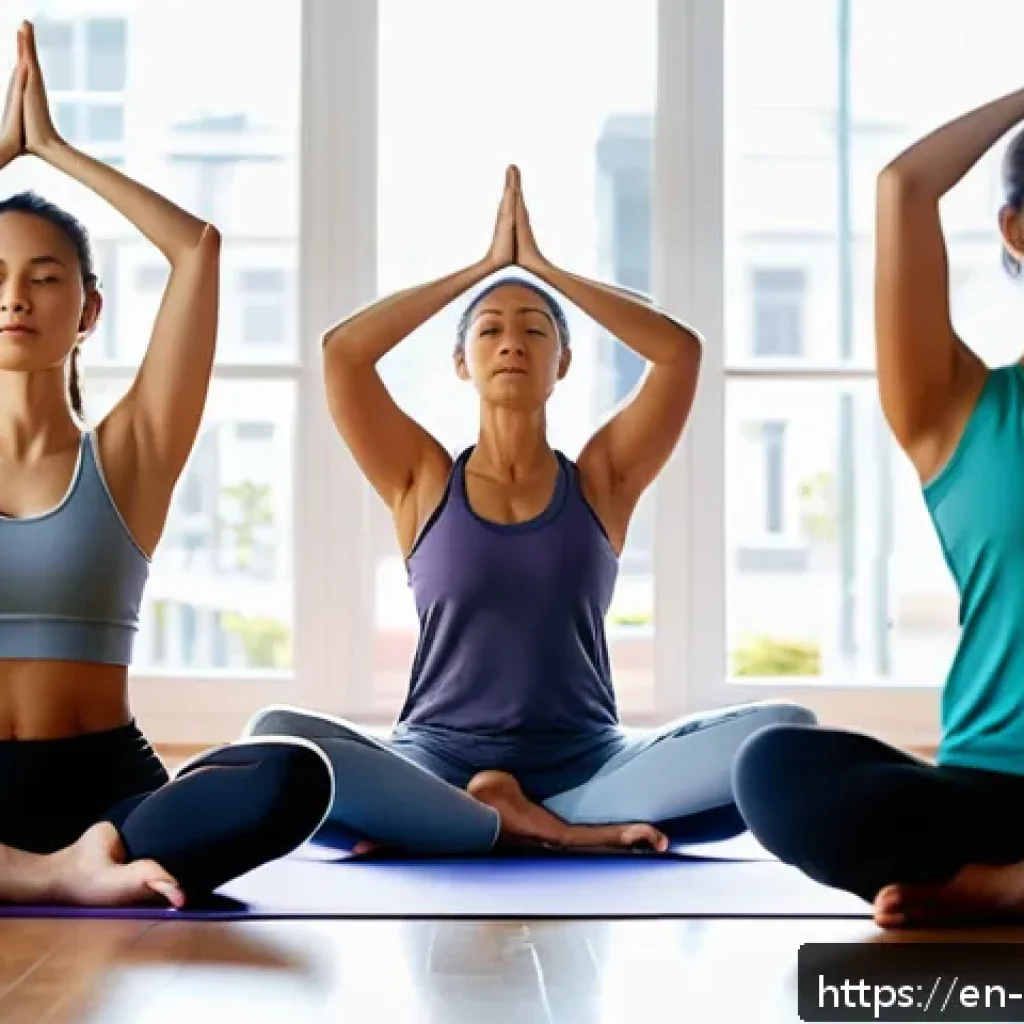
Yoga is more than just a trendy workout; it’s a powerful tool to ease tension and quiet the mind. From my own experience, the slow, deliberate movements combined with deep breathing can instantly dial down anxiety levels.
Unlike high-intensity workouts that ramp up adrenaline, yoga invites your nervous system to relax, helping reduce cortisol—the infamous stress hormone.
What’s fascinating is how even a short 20-minute session can leave you feeling more centered and ready to tackle the day. Plus, the variety of styles from gentle Hatha to invigorating Vinyasa means there’s a perfect fit for everyone, no matter your fitness level.
Incorporating Mindful Stretching Into Your Daily Routine
Stretching might sound basic, but when done mindfully, it turns into a potent stress buster. I personally like starting my mornings with a sequence of slow stretches, focusing on each muscle group while paying attention to my breath.
This simple practice helps release physical tension that accumulates from sitting or hunching over screens all day. It’s also a great way to reconnect with your body—something we often neglect when stress takes over.
Over time, mindful stretching improves flexibility and posture, which in turn lessens aches and pains that can add to your stress load.
Combining Breath Control Techniques for Maximum Effect
Breathing exercises are the unsung heroes of stress management. Pranayama, a yogic breathing technique, has been a game-changer for me during high-pressure moments.
By controlling the breath, you can influence your heart rate and trigger the parasympathetic nervous system, responsible for rest and digestion. Simple patterns like box breathing or alternate nostril breathing can be done anywhere—at your desk, on a walk, or before sleep—to instantly calm racing thoughts.
This kind of breath work not only supports mental clarity but also improves lung capacity and oxygen flow, leaving you refreshed physically and emotionally.
Cardio Workouts That Boost Your Mood and Energy
How Running Releases Natural Stress Fighters
Running is often called a “runner’s high” for a reason. When I lace up and hit the pavement, the rhythmic pounding of feet seems to drown out mental clutter.
Scientifically, running triggers the release of endorphins—natural chemicals that promote feelings of happiness and reduce perception of pain. Even a short jog around the block can shift your mood dramatically.
What’s more, the sense of accomplishment from pushing through a tough run builds mental resilience, helping you face stressful situations with greater confidence.
Jump Rope: A Fun and Efficient Stress Reliever
Don’t underestimate the power of a simple jump rope. It’s a fantastic cardio workout that requires coordination and focus, which distracts the mind from stressors.
I found that the quick bursts of jumping can elevate my heart rate and improve circulation, leading to an energizing yet calming effect. Plus, it’s easy to squeeze in a few minutes at home or in the office, making it a practical choice for busy days.
The repetition and rhythm create a meditative state that gently eases anxiety.
Dance Your Stress Away with Freestyle Moves
Dancing isn’t just for parties—it’s a brilliant way to shake off stress and connect with your body. I often turn on my favorite playlist and let loose, without worrying about how I look.
This freedom of expression releases tension stored in muscles and mind. The combination of music, movement, and social interaction (if you dance with others) triggers dopamine, serotonin, and oxytocin, chemicals that lift mood and foster feelings of belonging.
Whether you prefer salsa, hip-hop, or just freestyle, dancing is a joyful escape from daily stress.
Strength Training as a Mental Fortifier
Building Physical Strength to Combat Mental Fatigue
Lifting weights might seem like a purely physical endeavor, but it’s surprisingly effective for mental health. From my own routine, I notice that strength training sessions leave me feeling empowered and mentally sharper.
The focus required to maintain form and push through reps demands presence, which interrupts negative thought cycles. Moreover, as muscle strength improves, so does self-esteem and body image, which are crucial buffers against stress and depression.
How Circuit Training Enhances Endurance and Stress Resilience
Circuit training, involving a series of exercises performed with minimal rest, combines cardio and strength for a full-body challenge. I find this style particularly rewarding because it keeps the mind engaged and the body constantly adapting.
The fast pace releases adrenaline and endorphins, mimicking a natural “stress detox.” Additionally, circuit workouts can be easily modified to fit any schedule, making them a versatile option for those needing a quick yet effective way to unwind and recharge.
Using Resistance Bands for a Low-Impact Stress Break
Resistance bands are a fantastic alternative for those who want the benefits of strength training without heavy weights. They offer controlled tension, which can be very soothing for joints and muscles.
I often use bands during my cool-down phase or on days when I feel too tired for intense workouts. The slow, deliberate movements with bands help me focus inward, releasing physical tightness and mental clutter.
This gentle form of resistance training is especially useful for stress relief because it promotes circulation and mindfulness simultaneously.
Outdoor Activities That Refresh Your Mind
Walking in Nature: A Simple Yet Powerful Antidote
Nature walks have been a personal lifesaver during stressful times. The combination of fresh air, natural light, and gentle movement creates a calming effect that indoor exercises can’t replicate.
Studies back this up, showing that time spent in green spaces lowers cortisol and improves mood. Walking also encourages a meditative state where worries fade, replaced by sensory awareness of sights and sounds.
Whether it’s a park, trail, or just your neighborhood, stepping outside is an easy stress antidote.
Cycling for Endorphins and Scenic Exploration
Cycling blends physical exertion with exploration, which can be incredibly refreshing for a stressed mind. I enjoy weekend rides that take me through varied landscapes, offering both exercise and a mental break from routine.
The steady pedaling rhythm and fresh air stimulate endorphin production, while the changing scenery provides a welcome distraction from daily pressures.
Plus, cycling can be social or solo, making it adaptable to your mood and preferences.
Gardening as a Therapeutic Outdoor Exercise
Gardening might not be the first thing that comes to mind for stress relief, but it’s a surprisingly effective physical activity. I’ve noticed that digging, planting, and nurturing plants helps me slow down and focus on something positive and tangible.
This hands-on work connects you to nature and encourages mindfulness, which reduces anxiety. The physical effort involved also counts as low-impact exercise, improving circulation and flexibility while soothing the mind.
High-Intensity Interval Training (HIIT) for Stress Release
Why Short Bursts of Intensity Can Calm Your Mind
HIIT workouts are known for efficiency, but their stress-busting power is equally impressive. When I push through short, intense intervals, I feel a surge of adrenaline followed by a satisfying sense of release.
This pattern helps discharge built-up tension and resets my nervous system. The challenge also boosts confidence, showing that I can endure discomfort and come out stronger.
It’s like a mental reset button wrapped in a physical workout.
Designing HIIT Sessions for Maximum Relaxation
Creating a HIIT routine that balances intensity and recovery is key to stress relief. I usually alternate between sprints, bodyweight exercises, and active rest periods, ensuring I don’t overtax myself.
This structure keeps the workout engaging without overwhelming the body or mind. The quick transitions demand focus, which helps interrupt negative thought spirals.
Plus, the afterburn effect keeps metabolism elevated, contributing to long-term energy and mood stabilization.
Adapting HIIT for Beginners and Busy Schedules
One of the things I appreciate about HIIT is its adaptability. Even if you’re new to exercise or strapped for time, you can tailor intervals to fit your needs.
For example, 10 minutes of alternating jumping jacks and wall sits can be done at home or during a break. This flexibility makes it easier to maintain consistency, which is crucial for managing stress over time.
Starting small and gradually increasing intensity helps build both physical endurance and mental toughness.
Mind-Body Fusion Workouts for Holistic Stress Relief
Pilates: Strengthening Core and Calming Mind
Pilates is a fantastic workout that combines strength, flexibility, and mindfulness. I’ve found that focusing on controlled movements and breath helps me stay present, reducing anxiety.
Unlike more vigorous workouts, Pilates encourages a slow, deliberate pace that enhances body awareness. Strengthening the core also improves posture, which can relieve physical discomfort that often contributes to stress.
Over time, this balance of strength and calmness creates a resilient mind-body connection.
Tai Chi: Moving Meditation for Inner Peace
Tai Chi is often described as meditation in motion, and that’s exactly how it feels when practiced regularly. The gentle, flowing movements require concentration and control, which helps me detach from stressful thoughts.
The rhythmic nature of Tai Chi fosters a deep sense of relaxation and harmony, almost like a moving breath exercise. It’s also low-impact, making it accessible for all ages and fitness levels.
Practicing Tai Chi outdoors adds another layer of tranquility through connection with nature.
Combining Mind-Body Practices with Traditional Exercise
Integrating mind-body techniques into conventional workouts can amplify stress relief. For instance, I sometimes finish a HIIT session with a few minutes of deep stretching or meditation.
This combo helps transition from high energy to calmness smoothly, preventing post-exercise jitters. Even athletes and fitness enthusiasts benefit from this approach, as it promotes recovery and mental clarity.
Experimenting with different blends allows you to customize your routine for both physical performance and emotional well-being.
Effective Stress-Reducing Exercises at a Glance
| Exercise Type | Primary Benefits | Recommended Duration | Ideal Frequency | Equipment Needed |
|---|---|---|---|---|
| Yoga | Reduces cortisol, improves flexibility, enhances mindfulness | 20-60 minutes | 3-5 times per week | Yoga mat |
| Running | Boosts endorphins, builds mental resilience, improves cardiovascular health | 20-45 minutes | 3-4 times per week | Running shoes |
| Strength Training | Enhances confidence, builds muscle, interrupts negative thought patterns | 30-60 minutes | 2-4 times per week | Weights or resistance bands |
| Walking in Nature | Lowers cortisol, improves mood, encourages mindfulness | 30-60 minutes | Daily or as often as possible | Comfortable shoes |
| HIIT | Releases tension, boosts metabolism, improves mental toughness | 10-30 minutes | 2-3 times per week | None or minimal (e.g., jump rope) |
| Pilates | Strengthens core, improves posture, promotes relaxation | 30-60 minutes | 2-4 times per week | Mat, optionally small equipment |
In Closing
Embracing various forms of exercise, from yoga to high-intensity workouts, offers more than just physical benefits—it nurtures mental clarity and emotional balance. Through mindful movement and breath, we can actively reduce stress and enhance resilience. Finding a routine that fits your lifestyle and preferences is key to sustaining these positive effects. Remember, consistency and listening to your body make all the difference in managing stress effectively.
Helpful Tips to Remember
1. Start with small, manageable sessions to build a sustainable exercise habit without overwhelming yourself.
2. Combine different types of workouts—like cardio, strength training, and mind-body practices—for balanced stress relief.
3. Prioritize breathing techniques alongside physical activity to deepen relaxation and mental focus.
4. Take advantage of outdoor activities whenever possible to boost mood through natural surroundings.
5. Listen to your body’s signals and adjust intensity to prevent burnout and promote long-term wellness.
Key Takeaways
Regular physical activity tailored to your preferences not only strengthens the body but also fortifies the mind against stress. Integrating mindful breathing and movement enhances emotional regulation and promotes recovery. Flexibility in choosing and adapting workouts ensures accessibility and consistency. Lastly, blending exercise with moments of calm helps maintain a healthy balance essential for overall well-being.
Frequently Asked Questions (FAQ) 📖
Q: What types of exercise are best for reducing stress?
A: Exercises that combine physical movement with mindfulness tend to be the most effective for stress relief. Activities like yoga, tai chi, and Pilates not only engage your muscles but also encourage deep breathing and mental focus, which help calm the nervous system.
Additionally, aerobic exercises such as running, cycling, or swimming boost endorphin levels—the body’s natural mood elevators—providing both physical and psychological benefits.
From personal experience, even a brisk 20-minute walk outdoors can significantly clear my mind and ease tension.
Q: How often should I work out to see a noticeable decrease in stress?
A: Consistency is key when it comes to managing stress through exercise. Aim for at least 3 to 5 sessions per week, with each lasting around 30 minutes. This frequency allows your body to regularly release stress hormones and maintain a balanced mood.
However, even shorter sessions can be beneficial if you’re pressed for time; I’ve found that a quick 10-minute yoga stretch in the morning sets a positive tone for the entire day.
The important part is making exercise a regular habit rather than an occasional activity.
Q: Can exercise really help with anxiety and depression, or is it just a temporary fix?
A: Exercise has been shown to have long-lasting effects on mental health, not just temporary relief. Regular physical activity promotes neuroplasticity—the brain’s ability to adapt and form new neural connections—which can improve overall mood and cognitive function.
For many people dealing with anxiety and depression, including myself, exercise acts as a powerful complementary tool alongside therapy or medication.
It helps regulate sleep, reduce muscle tension, and provides a sense of accomplishment, all of which contribute to sustained mental wellness over time.