In today’s fast-paced world, finding effective ways to unwind is more important than ever. One surprisingly simple yet powerful method to reduce stress is by nurturing indoor plants.
Beyond their aesthetic appeal, these green companions can significantly boost your mood and create a calming atmosphere. Whether you’re a seasoned plant parent or just starting out, incorporating greenery into your living space can transform your mental well-being.
Curious how this natural remedy works and how to get started? Let’s dive deeper and explore the benefits and tips for growing indoor plants to relieve stress!
How Indoor Plants Naturally Soothe Your Mind
The Science Behind Plant Therapy
Spending time around greenery isn’t just a pleasant pastime—it actually triggers measurable changes in your brain. Studies have shown that interacting with plants can lower cortisol levels, the hormone closely linked to stress.
When you care for a plant, your brain releases dopamine, the “feel-good” neurotransmitter, which enhances mood and motivation. Personally, I’ve noticed that even a quick moment of watering or pruning a plant can melt away tension from a hectic day.
This natural interaction provides a gentle break from digital overload and constant noise, allowing your mind to reset in a peaceful, green sanctuary.
Visual Calm: The Power of Green
The color green itself has a soothing effect on our nervous system. It’s no coincidence that hospitals and wellness centers often use green tones to create a calming environment.
When you glance at lush leaves or vibrant foliage, your brain associates this with nature, signaling a safe space. This visual cue helps reduce anxiety and can even lower heart rate.
In my own home, the simple act of looking at my spider plant or a small fern has helped me regain focus during stressful work sessions. It’s like having a little oasis of calm within arm’s reach.
Engaging Your Senses Beyond Sight
Indoor plants engage multiple senses, not just sight. Touching the soft leaves, smelling fragrant herbs like lavender or mint, or hearing the gentle rustle of leaves in a breeze can deepen your sense of relaxation.
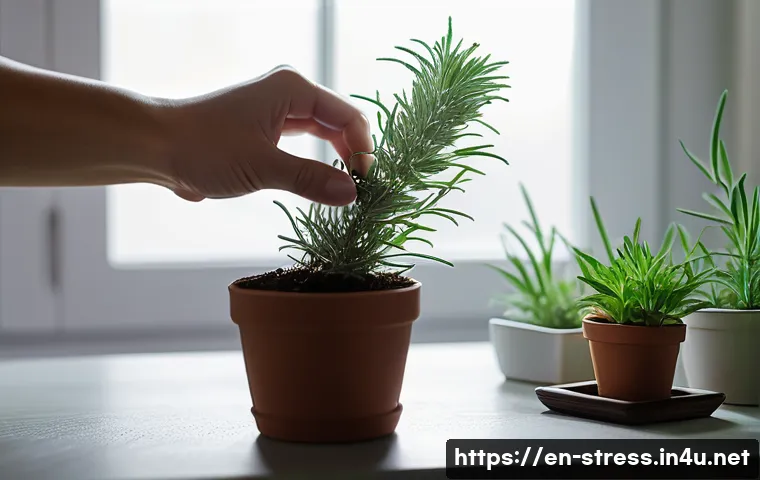
I find that smelling a potted rosemary plant while working not only uplifts my mood but also sharpens concentration. This multisensory experience anchors you in the present moment, pulling your mind away from worries and into a mindful state.
Choosing the Right Plants for Stress Relief
Low-Maintenance Options for Beginners
If you’re new to indoor gardening, picking plants that thrive with minimal care can prevent frustration and add joy. Snake plants, pothos, and ZZ plants are excellent starters—they tolerate low light and irregular watering.
I once tried a delicate orchid as a beginner, and honestly, it stressed me out more than relieved me because it demanded constant attention. So, starting with hardy plants builds confidence and keeps the stress relief benefits flowing without extra hassle.
Plants That Purify Air and Enhance Mood
Some plants go beyond aesthetics and actively improve indoor air quality by filtering toxins. Peace lilies, spider plants, and Boston ferns are popular for this reason.
Cleaner air means fewer headaches and better sleep, which naturally lowers stress. From personal experience, having a peace lily near my bedside improved my breathing and helped me feel more rested, which made me less irritable and better equipped to handle daily challenges.
Herbs That Double as Stress Busters
Growing herbs like lavender, chamomile, and mint indoors offers both sensory pleasure and practical uses. These herbs can be brewed into calming teas or used in aromatherapy.
I love brewing a cup of fresh mint tea after a long day—it’s a small ritual that brings me a sense of control and comfort. Plus, the act of harvesting and using your own herbs connects you to nature in a rewarding way.
Creating a Stress-Reducing Indoor Garden Space
Maximizing Natural Light for Plant and Mood Boost
Light is a crucial factor for both plants and humans. Positioning your plants near windows where they receive ample natural light helps them flourish and brightens your living space.
The sunlight itself stimulates serotonin production, which is vital for mood regulation. I rearranged my home office to face a south-facing window with several plants, and the difference in my energy levels and stress was remarkable.
Even on cloudy days, the presence of greenery near light sources lifts the atmosphere.
Designing for Visual and Emotional Balance
Arranging plants thoughtfully can create a sense of order and tranquility. Grouping plants of varying heights and textures creates visual interest without overwhelming the senses.
I found that placing taller plants in corners and smaller pots on desks or shelves strikes a harmonious balance. Adding natural materials like wood or stone pots enhances the calming vibe.
This intentional design makes your space feel curated and peaceful, inviting you to pause and breathe.
Incorporating Plants into Daily Routines
Making plant care part of your daily rhythm turns it into a mindful practice rather than a chore. Setting reminders to water or mist plants, or simply spending a few minutes observing their growth, can ground you.
Personally, I use plant care as a mini meditation—focusing on each leaf and the soil feels surprisingly calming. This small act of nurturing helps me shift my mindset from stress to care, reinforcing positive habits.
Common Challenges and How to Overcome Them
Dealing with Plant Care Anxiety
Many beginners worry about killing their plants, which ironically adds stress instead of reducing it. To combat this, I recommend starting with resilient species and using easy-care guides tailored to each plant.
Apps that remind you when to water or fertilize can be lifesavers. I used to feel overwhelmed until I realized that even plants that look a little sad can bounce back with simple TLC.
Embracing imperfection is key to enjoying the process.
Managing Space and Light Limitations
Not everyone has access to bright windows or spacious rooms. Fortunately, many indoor plants tolerate low light or can thrive under grow lights. Small plants like succulents or air plants fit well on desks or shelves without cluttering your space.
I live in a city apartment with limited natural light, so I invested in a small LED grow light. This setup keeps my plants healthy and my stress levels low, proving you don’t need a garden to benefit from greenery.
Balancing Plant Care with a Busy Lifestyle
For those with hectic schedules, plant care might seem like an added burden. Choosing low-maintenance plants and setting up simple care routines can ease this.
Self-watering pots or hydroponic systems also reduce daily effort. I’ve found that dedicating just 5 minutes a day to check on my plants fits well into my routine and provides a refreshing mental break.
Prioritizing plants as a source of joy rather than a task makes a big difference.
Practical Tips for Maximizing Stress Relief with Plants
Creating a Green Corner
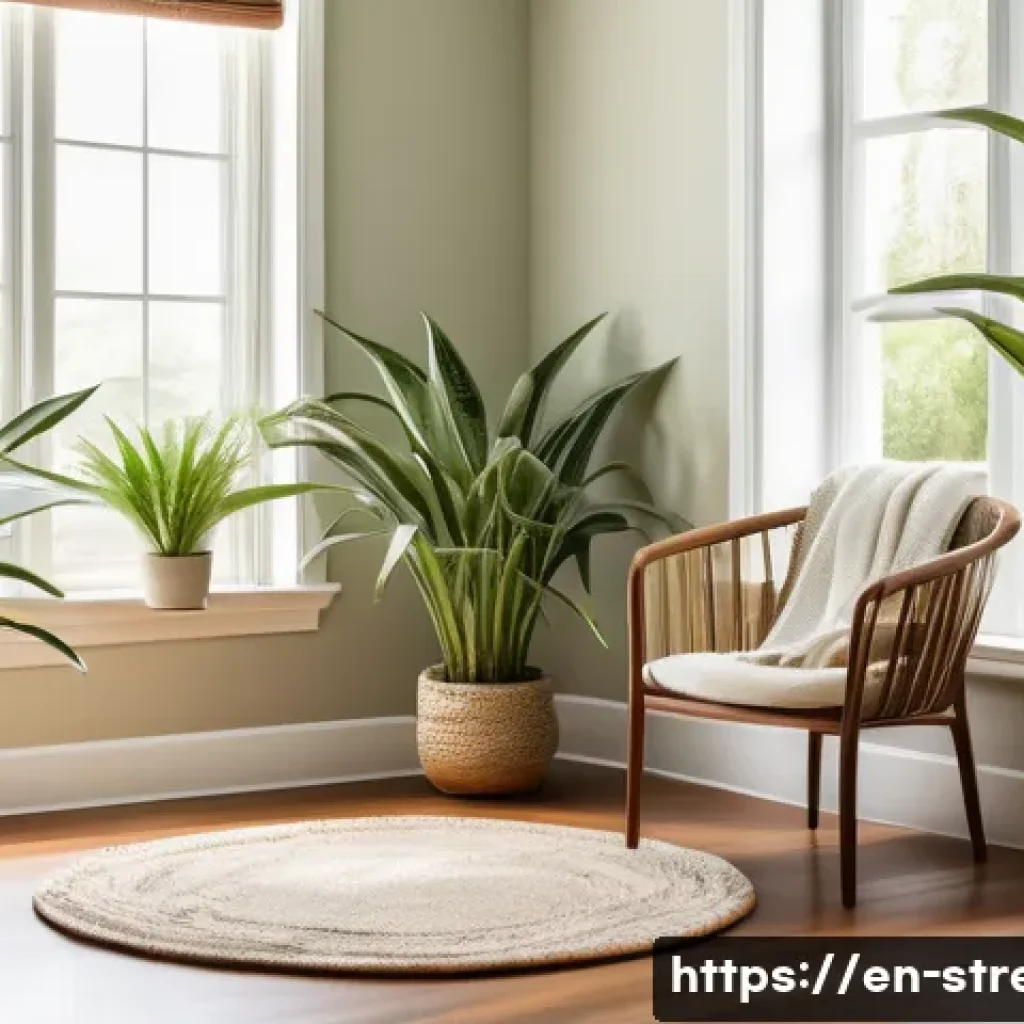
Designate a cozy spot in your home solely for your plants. Adding a comfortable chair or cushion nearby encourages you to spend time relaxing in the green space.
I turned a corner of my living room into a mini jungle with a variety of plants and a soft throw blanket. Sitting there to read or meditate has become my go-to stress antidote, proving how environment shapes mood.
Using Plant Care as Mindfulness Practice
Turn routine tasks like watering or pruning into mindful rituals. Focus on the texture of leaves, the scent of soil, or the sound of water. This sensory immersion calms the mind and shifts focus from worries to the present moment.
I remember one stressful afternoon when I was frazzled and decided to repot a plant—it was surprisingly grounding and left me feeling refreshed afterward.
Combining Plants with Other Stress-Relief Methods
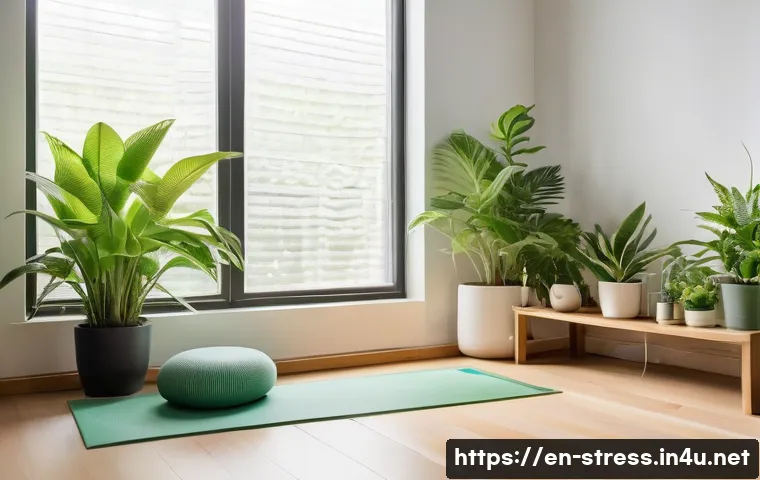
Indoor plants complement other relaxation techniques such as yoga, meditation, or aromatherapy. Placing plants near your yoga mat or meditation cushion enhances the ambiance and deepens relaxation.
I like to diffuse essential oils alongside my plants for a multi-layered calming effect. This synergy creates a peaceful sanctuary where stress simply melts away.
Best Indoor Plants for Different Living Spaces
| Plant Name | Light Requirement | Watering Frequency | Stress-Relief Benefits | Ideal Location |
|---|---|---|---|---|
| Snake Plant | Low to bright indirect light | Every 2-3 weeks | Air purification, low maintenance | Bedroom, office |
| Peace Lily | Low to moderate indirect light | Weekly | Air purification, calming white flowers | Living room, bathroom |
| Lavender | Bright light | Weekly | Aromatherapy, reduces anxiety | Kitchen, windowsill |
| Spider Plant | Bright indirect light | Weekly | Air purification, easy care | Office desk, shelves |
| ZZ Plant | Low to bright indirect light | Every 2-3 weeks | Hardy, stress-free care | Hallways, low-light rooms |
How to Stay Motivated in Your Indoor Plant Journey
Tracking Growth and Progress
Keeping a plant journal or snapping progress photos can make caring for plants more rewarding. Watching a tiny seedling grow into a thriving plant gives a real sense of accomplishment.
I started journaling my plant care, and it’s fascinating to see how little changes in watering or light impact growth. This active involvement keeps me motivated and connected to my plants.
Joining Plant Communities
Engaging with fellow plant lovers online or locally provides support, advice, and inspiration. Sharing successes and challenges normalizes the learning curve and makes the experience more social and fun.
I joined a few social media groups where members exchange tips and photos daily. The encouragement and camaraderie have kept me enthusiastic, especially during tougher plant phases.
Celebrating Small Wins
Recognize and celebrate milestones like a new leaf, bloom, or even surviving a tough week. These small wins build positive reinforcement and deepen your bond with your plants.
I always treat myself to a new pot or accessory when a plant thrives, turning care into a joyful ritual rather than a routine. This mindset shift has been crucial in making plant care a true stress-relieving hobby.
In Conclusion
Indoor plants offer more than just aesthetic appeal—they provide a natural way to ease stress and uplift your mood. From improving air quality to encouraging mindfulness, these green companions create a calming environment that supports mental well-being. Incorporating plants into your daily life can transform your home into a peaceful retreat where relaxation comes naturally.
Useful Tips to Remember
1. Start with low-maintenance plants like snake plants or pothos to build confidence without added stress.
2. Position your plants near natural light sources to help both you and your plants thrive.
3. Use plant care as a mindful activity to ground yourself and shift focus from daily worries.
4. Join plant enthusiast communities to share experiences and stay motivated.
5. Celebrate small victories, like new growth or blooms, to maintain enthusiasm and joy in your plant journey.
Key Takeaways
Choosing the right plants and integrating them thoughtfully into your living space can significantly reduce stress levels. Embrace imperfection in plant care to keep the experience enjoyable rather than burdensome. Combining greenery with other relaxation practices enhances overall mental health. Finally, maintaining a consistent, simple care routine ensures your indoor garden remains a source of calm and satisfaction.
Frequently Asked Questions (FAQ) 📖
Q: How do indoor plants help reduce stress and improve mood?
A: Indoor plants can create a calming environment by improving air quality and adding a touch of nature to your space, which has been shown to lower cortisol levels—the hormone linked to stress.
Personally, I’ve noticed that just spending a few minutes caring for my plants helps me shift focus away from daily worries and promotes a sense of mindfulness.
The greenery also stimulates positive emotions, making your home feel more inviting and peaceful.
Q: What are some easy-to-care-for indoor plants for beginners who want to relieve stress?
A: For anyone new to plant care, I recommend starting with low-maintenance plants like snake plants, pothos, or spider plants. These varieties thrive with minimal watering and can tolerate different light conditions, which means less hassle and more enjoyment.
From my own experience, having these hardy plants around helped me build confidence in caring for greenery without feeling overwhelmed, and that small success really boosted my overall mood.
Q: How can I incorporate indoor plants into my living space without cluttering or overwhelming it?
A: The key is to choose a few well-placed plants rather than crowding every corner. I like to use shelves, hanging planters, or a small tabletop arrangement to add greenery without taking up too much space.
Mixing different textures and pot styles can also create visual interest without clutter. It’s important to find spots that get natural light but don’t interfere with your daily routine, so the plants feel like a natural part of your environment, enhancing relaxation rather than adding stress.