Stress seems to creep into every corner of our daily lives, whether from work pressure, personal challenges, or unexpected events. Finding effective ways to manage and reduce stress isn’t just about feeling better in the moment—it’s about improving our overall well-being and resilience over time.
Sometimes, all it takes is a little motivation to kickstart healthier habits and mindset shifts that make a huge difference. If you’ve ever felt overwhelmed and wondered how to regain control, you’re not alone.
Let’s dive into practical strategies that can inspire and empower you to relieve stress in a sustainable way. Stick around as we explore these insights in detail!
Unlocking Calm: Simple Shifts to Ease Your Mind
Breathing Techniques That Actually Work
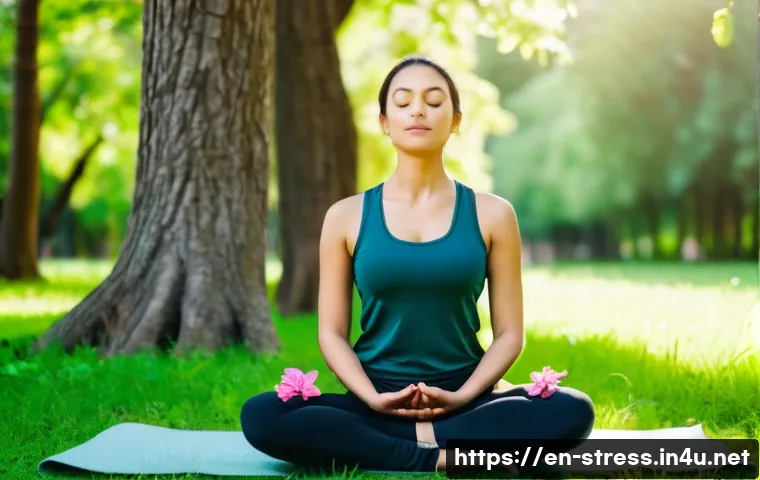
When stress starts tightening its grip, taking a moment to focus on your breath can be surprisingly powerful. I’ve personally found that deep, slow breathing—not the rushed kind we often do—helps me break the cycle of tension.
Try inhaling deeply through your nose for a count of four, holding for four, and then exhaling through your mouth for six. This pattern slows your heart rate and signals your nervous system to relax.
You might feel a little lightheaded at first, but stick with it for a few minutes, and you’ll notice a calming wave washing over you. It’s like hitting the reset button on your frazzled nerves.
Mindful Moments: Catching Stress Before It Spirals
Mindfulness isn’t just a buzzword; it’s a practical tool to catch stress early. I started using mindfulness by simply noticing when my mind raced to worst-case scenarios.
Just acknowledging that “Hey, this is stress talking” helps me step back and choose a different reaction. You don’t need to meditate for hours—just a few seconds of focused attention on your surroundings or sensations can ground you.
For example, feeling the texture of your chair or the warmth of your coffee can pull you into the present and ease mental overload.
Movement as Medicine: Why Sitting Still Isn’t Always the Answer
I used to think resting meant being completely still, but moving around can actually help shake off stress. A short walk, some gentle stretching, or even dancing to your favorite song can release built-up tension.
Physical activity triggers the release of endorphins, those feel-good chemicals that boost your mood. Plus, movement shifts your focus from your worries to your body, offering a break from mental stress loops.
The key is to pick something you enjoy—it makes it easier to stick with and turns stress relief into a rewarding habit.
Creating Your Personal Sanctuary: Space That Supports Serenity
Decluttering Your Environment for Mental Clarity
Clutter can be a silent stressor, constantly nagging at your subconscious. From my experience, clearing physical space often leads to a clearer mind. It doesn’t have to be a massive overhaul—start with your desk or a small corner.
Organizing your things creates a sense of control and calm, which is especially helpful on chaotic days. Plus, a tidy environment makes it easier to focus on what matters, reducing that nagging feeling of being overwhelmed.
Lighting and Scents That Soothe Your Senses
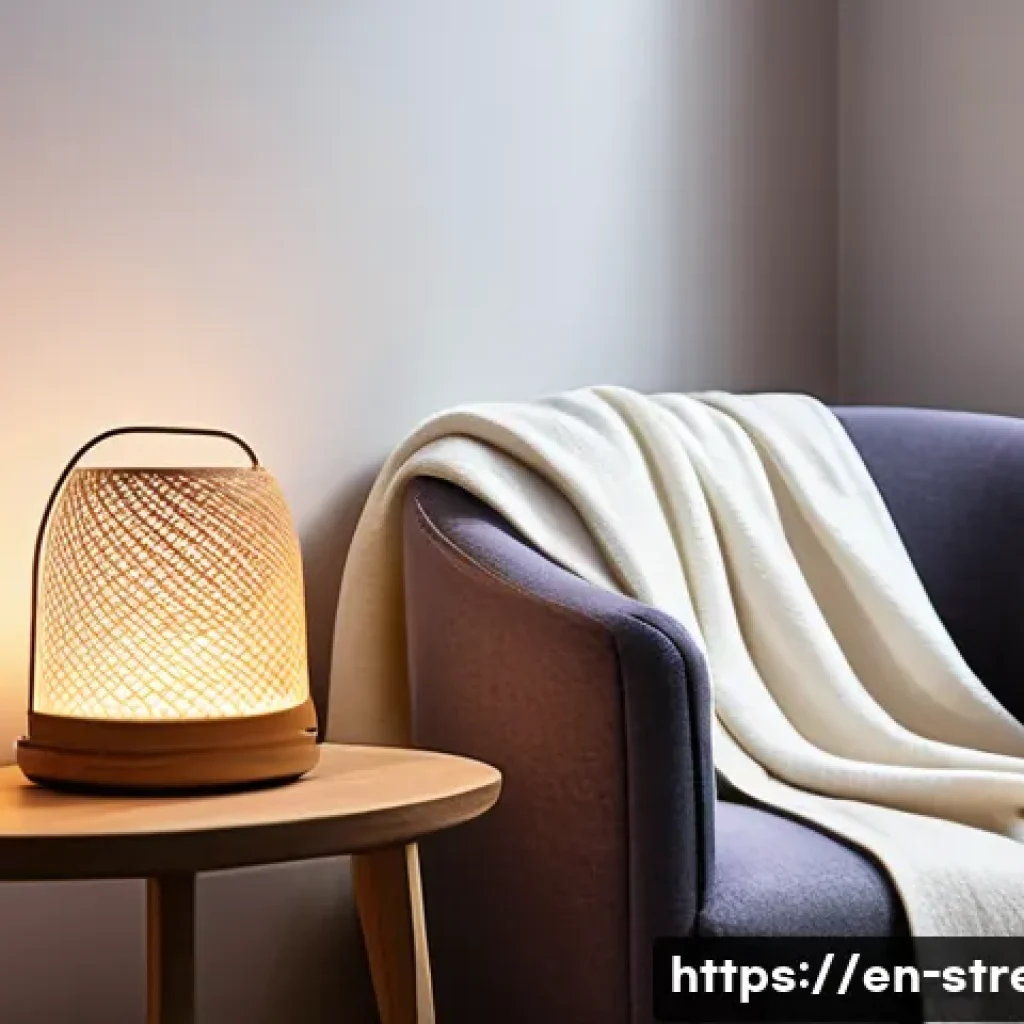
Lighting plays a huge role in how we feel. I’ve noticed that harsh fluorescent lights spike my stress, while softer, warmer lighting helps me relax. Candles, essential oils, or even fresh flowers can add to that soothing atmosphere.
Scents like lavender, chamomile, or eucalyptus are known for their calming properties. Incorporating these sensory elements into your space can create a mini retreat at home or even at work, offering a quick mental getaway when things get intense.
Designing Tech-Free Zones for Mental Breaks
Constant connectivity can ramp up stress levels without us realizing it. Setting up a tech-free zone, even if it’s just a chair in a corner or a spot in your bedroom, gives your brain a much-needed break from screens and notifications.
I make it a habit to spend at least 15 minutes a day in this space, reading a book or simply sitting quietly. This practice helps reduce information overload and gives your mind a chance to reset, improving your ability to handle stress when you return to your devices.
Fueling Your Body and Mind: Nutrition’s Role in Stress Management
Choosing Foods That Stabilize Mood and Energy
I can’t emphasize enough how much what we eat influences stress. When I started paying attention to my diet, I noticed that sugary snacks and caffeine spikes made me jittery and anxious.
Instead, I focus on balanced meals with whole grains, lean proteins, and plenty of fruits and veggies. These foods provide steady energy and essential nutrients like magnesium and B vitamins, which are linked to mood regulation.
It’s not about perfection but making mindful choices that support your body’s ability to cope.
Hydration: The Often Overlooked Stress Buster
It’s easy to overlook water when managing stress, but dehydration can amplify feelings of anxiety and fatigue. I make it a point to keep a water bottle nearby and sip throughout the day.
Even mild dehydration can lead to headaches and irritability, so staying hydrated keeps your brain functioning optimally. Adding a slice of lemon or cucumber can make hydration more enjoyable and refreshing.
Mindful Eating: Slowing Down to Savor and Soothe
Eating quickly or while distracted can add to stress by making digestion less efficient and increasing cortisol levels. Practicing mindful eating—paying attention to flavors, textures, and hunger cues—turns meals into a calming ritual.
I’ve found that this slows me down and helps me tune in to my body’s needs, reducing stress-related overeating or guilt. It’s a small shift with big payoffs for both mind and body.
Building Resilience Through Connection and Support
The Power of Sharing: Why Talking Helps
Stress often feels isolating, but reaching out to friends, family, or support groups can lighten the load. I remember times when just venting to a trusted friend made my problems seem more manageable.
Talking helps you process emotions and gain new perspectives, breaking the cycle of ruminating alone. If face-to-face isn’t an option, even a quick phone call or text exchange can remind you you’re not in this by yourself.
Setting Boundaries: Saying No Without Guilt
Learning to say no is a game-changer for managing stress. I used to overcommit and then feel overwhelmed, but setting clear boundaries protects my energy.
This means turning down extra work or social invitations when I need downtime. Boundaries aren’t about selfishness—they’re about self-care and preserving your mental health.

When you respect your limits, you build resilience and reduce burnout.
Engaging in Community: Finding Purpose Beyond Yourself
Volunteering or participating in community activities can provide a meaningful distraction from stress. Helping others shifts focus outward and fosters connection, which boosts mood and self-worth.
I once joined a local community garden, and not only did it offer physical activity, but the shared purpose and camaraderie helped me feel grounded during stressful periods.
Finding your own way to contribute can be a rewarding stress-relief strategy.
Harnessing Technology Wisely for Stress Relief
Apps That Guide Relaxation and Meditation
There’s no shortage of apps designed to help manage stress, but not all are created equal. I experimented with several and found that those offering guided meditation, breathing exercises, and sleep aids really make a difference.
Apps like Headspace or Calm provide structure for mindfulness practices, making them easier to stick with daily. Having a tech tool that supports relaxation can be a great motivator to prioritize stress relief.
Digital Detox: Scheduled Breaks from Screens
While technology offers helpful tools, too much screen time can increase stress hormones. I’ve learned to schedule digital detox periods—especially in the evening—to wind down.
Turning off notifications, putting phones away an hour before bed, and replacing screen time with reading or hobbies help my brain decompress. These habits improve sleep quality and reduce the overstimulation that fuels stress.
Tracking Stress to Spot Patterns and Triggers
Using digital journals or stress trackers can reveal hidden stressors. I started logging my mood and activities, and it was eye-opening to see that certain tasks or times of day consistently spiked my anxiety.
This awareness helped me plan better and implement targeted coping strategies. Technology can be a powerful ally when used thoughtfully to enhance self-awareness and resilience.
Prioritizing Rest: Sleep and Downtime as Stress Shields
Creating a Sleep Routine That Works
Good sleep is foundational for managing stress, yet it’s often sacrificed. I struggled with irregular sleep schedules until I committed to winding down at the same time every night.
Dimming lights, avoiding screens, and a calming bedtime ritual like reading or gentle stretches signal my body it’s time to rest. Consistent sleep improves mood, focus, and stress tolerance, making it easier to face daily challenges.
Understanding the Power of Naps
Naps sometimes get a bad rap, but short, strategic naps can recharge your brain and reduce stress. I find a 20-minute nap in the early afternoon helps me reset without interfering with nighttime sleep.
It’s like a mini-vacation for your mind and body, especially on hectic days. Napping isn’t a sign of weakness; it’s a smart way to maintain balance and energy.
Embracing Leisure Activities Without Guilt
Downtime isn’t wasted time—it’s essential for mental health. I’ve learned to carve out moments for hobbies or simple pleasures without guilt. Whether it’s painting, gardening, or binge-watching a favorite show, leisure reduces stress hormones and replenishes motivation.
Prioritizing enjoyment reminds you that life isn’t just about work or responsibilities, but also about joy and restoration.
| Stress Management Strategy | Key Benefits | Simple Implementation Tips |
|---|---|---|
| Breathing Exercises | Reduces heart rate, calms nervous system | Practice 4-4-6 breathing for 5 minutes daily |
| Mindfulness | Enhances present moment awareness, reduces rumination | Pause to notice 3 things around you several times a day |
| Physical Activity | Releases endorphins, shifts mental focus | Take a 10-minute walk or stretch during breaks |
| Decluttering Space | Improves focus, reduces subconscious stress | Organize one small area weekly |
| Balanced Nutrition | Stabilizes mood and energy | Include protein and veggies in every meal |
| Social Connection | Provides emotional support, perspective | Schedule weekly calls or meetups with friends |
| Sleep Routine | Boosts resilience, improves mood | Go to bed and wake up at consistent times |
글을 마치며
Finding calm in today’s hectic world doesn’t require grand gestures—small, mindful shifts can make a big difference. From breathing techniques to creating soothing spaces, these strategies offer practical ways to ease your mind and build resilience. I encourage you to try what resonates and make stress relief a natural part of your daily routine. Remember, taking care of your mental well-being is a journey worth prioritizing.
알아두면 쓸모 있는 정보
1. Deep breathing exercises can quickly lower your heart rate and help you regain focus during stressful moments.
2. Practicing mindfulness doesn’t need to be time-consuming; even brief moments of awareness can prevent stress from escalating.
3. Regular movement, whether a walk or simple stretches, triggers endorphin release, boosting mood and reducing tension.
4. Keeping your environment tidy can subconsciously reduce stress and enhance mental clarity.
5. Maintaining a consistent sleep schedule and tech-free downtime supports better stress management and overall well-being.
중요 사항 정리
Effectively managing stress involves a combination of mindful habits and lifestyle adjustments. Prioritize slow, intentional breathing to calm your nervous system and use mindfulness to stay grounded in the present. Incorporate physical activity that you enjoy to naturally lift your mood and break negative thought patterns. Create a clutter-free, sensory-friendly environment to foster relaxation and mental clarity. Nourish your body with balanced nutrition and proper hydration to stabilize energy and mood. Finally, build strong social connections and set healthy boundaries to protect your mental health. Remember, consistency is key—small, sustainable changes lead to lasting peace of mind.
Frequently Asked Questions (FAQ) 📖
Q: What are some simple daily habits I can adopt to reduce stress effectively?
A: From my experience, incorporating small yet consistent habits can make a huge difference. For example, starting your day with a few minutes of deep breathing or mindfulness sets a calm tone.
Taking short breaks during work to stretch or walk helps clear your mind and reduce tension. Also, staying hydrated and prioritizing sleep dramatically affect how your body handles stress.
I found that journaling for just five minutes at night to jot down worries or things I’m grateful for shifts my mindset and eases anxiety. These small changes build up over time, creating a more resilient and peaceful daily rhythm.
Q: How can I stay motivated to manage stress when life gets overwhelming?
A: Motivation can be tricky, especially when stress feels all-consuming. What worked for me was focusing on small wins rather than aiming for perfection.
Setting achievable goals like “I’ll meditate for two minutes today” instead of an hour prevents burnout and guilt. Also, reminding myself why I want to reduce stress—whether it’s to enjoy family time or improve health—helps keep me grounded.
Sometimes, sharing your goals with a friend or joining a community can provide accountability and encouragement. I’ve noticed that celebrating even tiny progress boosts my mood and keeps me moving forward.
Q: Are there any quick techniques to relieve stress immediately when I feel overwhelmed?
A: Absolutely! When stress hits hard, immediate relief techniques are invaluable. One of the fastest methods I use is the 4-7-8 breathing technique: inhale for 4 seconds, hold for 7, and exhale for 8.
It calms the nervous system almost instantly. Another quick fix is grounding yourself by naming five things you can see, four you can touch, three you can hear, two you can smell, and one you can taste—this brings your focus to the present and away from stress.
Even a brief walk outside or splashing cold water on your face can refresh your senses. Having these go-to tools ready makes stressful moments more manageable.