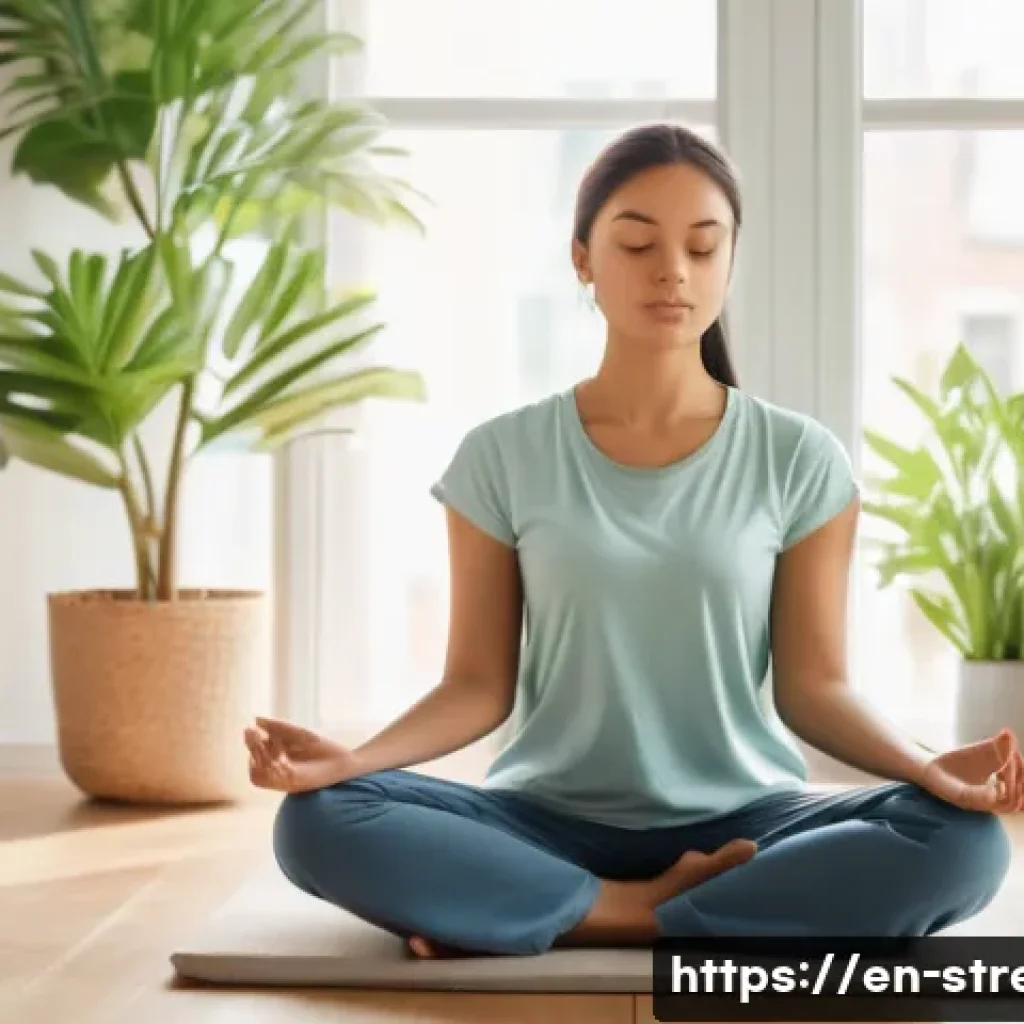
In today’s fast-paced world, stress seems almost unavoidable, but there’s a simple yet powerful tool that can help: mindfulness. Practicing mindfulness allows you to anchor yourself in the present moment, reducing anxiety and promoting emotional balance.

Many people find that even a few minutes of mindful breathing or meditation can create a noticeable shift in their mood. It’s not just a buzzword—mindfulness is backed by science and has become a go-to strategy for mental wellness.
Curious about how to harness this practice effectively? Let’s dive deeper and explore the true benefits of mindfulness for stress relief!
Understanding How Mindfulness Calms Your Nervous System
The Science Behind Mindfulness and Stress Reduction
When you’re caught up in stress, your body’s fight-or-flight response kicks in, flooding you with adrenaline and cortisol. What mindfulness does is it gently interrupts that chain reaction.
By focusing on the present moment, mindfulness helps lower those stress hormones. This isn’t just theory — brain scans show increased activity in areas responsible for emotional regulation and decreased activity in the amygdala, which is the brain’s alarm system.
Personally, I noticed that after just a few sessions of mindful breathing, my usual racing thoughts slowed down significantly, and I felt a calmer baseline throughout the day.
How Breathing Techniques Influence Your Body
Mindful breathing is surprisingly powerful. When you slow your breath down and take deep, intentional inhales and exhales, your parasympathetic nervous system activates — that’s the part of your nervous system responsible for rest and digestion.
It’s like flipping a switch from stress mode to relaxation mode. I found that even when I was swamped with work deadlines, taking five minutes to focus solely on my breath helped me reset and approach problems with a clearer head and less tension.
The Role of Body Awareness in Managing Stress
Mindfulness isn’t just about the mind; it’s also about tuning into your body. Stress often manifests physically — tight shoulders, headaches, or a clenched jaw.
By practicing body scans or simple awareness exercises, you can catch those tension signals early. When I started doing a quick body scan before bed, I realized how much I was holding onto stress physically.
Just acknowledging those sensations without judgment helped me release them and sleep better.
Integrating Mindfulness into Your Daily Routine
Simple Mindfulness Practices for Busy Schedules
You don’t need to carve out hours to benefit from mindfulness. Even brief moments count. For instance, during a hectic morning, taking just two minutes to sit quietly and focus on your breath can create a ripple effect of calm throughout your day.
I often do this while waiting for my coffee to brew or during a quick break at work. These tiny pockets of mindfulness add up, making stress feel more manageable overall.
Using Mindfulness to Navigate Challenging Emotions
When stress triggers anxiety or frustration, mindfulness offers a way to observe those feelings without getting swept away. Instead of reacting impulsively, you learn to watch emotions like passing clouds.
I remember a time when a stressful email popped up, and instead of diving into panic, I paused, noticed the anxiety rising, took a few mindful breaths, and responded much more calmly.
This shift made a huge difference in how I handled conflict.
Creating Mindful Transitions Between Activities
Switching from one task to another can be a stress point if done mindlessly. I’ve found that pausing briefly to take a few conscious breaths before moving on helps create mental space and reduces overwhelm.
Whether it’s shifting from work to family time or winding down before bed, these mindful transitions act like mini resets that keep stress from piling up.
Exploring Different Forms of Mindfulness Meditation
Focused Attention Meditation
This form involves concentrating on a single object, usually the breath. It’s great for beginners because it provides a simple anchor. When my mind wanders, I gently bring it back to my breath, which trains my attention and reduces mental clutter.
Over time, this focused practice makes it easier to stay calm in stressful situations.
Open Monitoring Meditation
Unlike focused attention, open monitoring involves observing whatever arises in your experience without judgment — thoughts, sounds, sensations. This practice helps you develop a broader awareness and acceptance of whatever comes your way.
I use this when I want to build resilience against emotional ups and downs; it’s like training myself to be a non-reactive witness to life’s chaos.
Movement-Based Mindfulness Practices
Walking meditation, yoga, or tai chi combine movement with mindfulness, making it easier for people who struggle to sit still. When I started incorporating mindful walking, I noticed how the simple act of paying attention to each step grounded me and reduced my anxiety more effectively than just sitting meditation alone.
How Mindfulness Enhances Emotional Resilience
Building Awareness to Prevent Emotional Overwhelm
Mindfulness teaches you to catch early warning signs of stress before they escalate. By tuning into subtle cues — a tight throat, shallow breathing, or restless thoughts — you can intervene sooner.
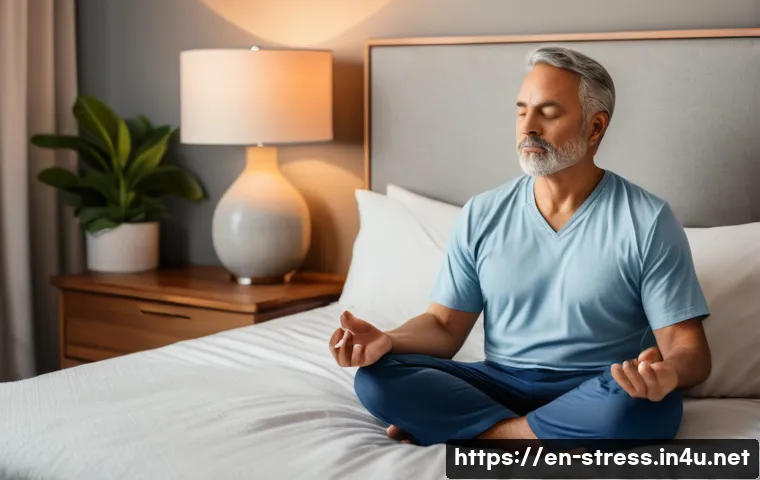
From my experience, this early detection is key to preventing burnout and emotional exhaustion.
Developing Compassion Towards Yourself
Stress often comes with harsh self-judgment. Mindfulness encourages a kinder, more compassionate inner voice. I noticed that when I practiced self-compassion meditation, my stress responses softened.
It’s like giving yourself permission to be imperfect and still worthy of care, which dramatically lowers pressure.
Strengthening Your Ability to Bounce Back
Resilience isn’t about avoiding stress; it’s about how quickly you recover. Mindfulness builds that bounce-back ability by enhancing emotional flexibility.
I find that after difficult conversations or stressful days, mindful reflection helps me process feelings and move forward without lingering negativity.
Practical Tools and Apps to Support Your Mindfulness Journey
Popular Mindfulness Apps and Their Features
There are countless apps out there, but some stand out for their user-friendly interfaces and guided practices. Apps like Headspace and Calm offer everything from short breathing exercises to longer meditations for sleep or focus.
Personally, I use these apps when I’m traveling or need a quick reset because the guided voice helps me stay on track.
Using Journaling to Complement Mindfulness
Writing down your thoughts after mindfulness practice can deepen your awareness and track progress. I keep a simple journal where I note how I feel before and after sessions.
This habit has made me more mindful of patterns and helped me celebrate small wins in stress management.
Incorporating Mindfulness Reminders into Your Day
Setting alarms or sticky notes can be simple nudges to pause and breathe. I’ve put reminders on my phone that pop up every few hours, prompting me to take a mindful moment.
These little interruptions break the cycle of autopilot and prevent stress from accumulating unnoticed.
Comparing Mindfulness Techniques and Their Benefits
| Technique | Main Focus | Best For | Personal Experience |
|---|---|---|---|
| Focused Attention | Concentration on breath or object | Beginners, reducing scattered thoughts | Helped me calm a racing mind during deadlines |
| Open Monitoring | Non-judgmental awareness of present experience | Building emotional acceptance and flexibility | Improved my ability to face uncomfortable feelings |
| Movement-Based | Mindful awareness during physical activity | Those who find sitting still difficult | Walking meditation helped reduce my anxiety outdoors |
| Compassion Meditation | Developing kindness toward self and others | Reducing self-criticism and stress | Softened my inner critic during stressful times |
| Body Scan | Systematic focus on bodily sensations | Releasing physical tension and improving sleep | Helped me notice and release shoulder tightness |
글을 마치며
Mindfulness offers a practical, science-backed way to calm the nervous system and manage stress effectively. By integrating simple practices into daily life, anyone can experience greater emotional balance and resilience. From mindful breathing to movement meditation, these techniques empower you to respond to life’s challenges with clarity and calm. Embracing mindfulness isn’t just about relaxation—it’s a pathway to a healthier, more centered you.
알아두면 쓸모 있는 정보
1. Mindfulness activates the parasympathetic nervous system, helping your body shift from stress to relaxation quickly.
2. Short mindfulness moments throughout the day can accumulate, significantly reducing overall stress levels.
3. Combining mindfulness with journaling enhances self-awareness and tracks emotional progress over time.
4. Using apps like Headspace or Calm provides guided support, making mindfulness easier to maintain consistently.
5. Mindful transitions between daily tasks prevent overwhelm by creating mental space and promoting focus.
중요 사항 정리
Consistent mindfulness practice is key to calming your nervous system and building emotional resilience. Simple techniques such as focused breathing, body scans, and movement-based mindfulness can be tailored to fit any lifestyle. Early recognition of stress signals and practicing self-compassion help prevent emotional overwhelm and support recovery from difficult moments. Utilizing technology and journaling can enhance your mindfulness journey, making it sustainable and effective over time.
Frequently Asked Questions (FAQ) 📖
Q: How long does it take to feel the benefits of mindfulness for stress relief?
A: From my experience and what many experts suggest, even just a few minutes of mindful breathing or meditation can start to ease your stress levels. Personally, I noticed a calmer mood after about five minutes of focusing solely on my breath.
However, consistent daily practice over several weeks tends to deepen these benefits, helping you build resilience against anxiety and improving your overall emotional balance.
The key is making mindfulness a regular part of your routine rather than expecting instant miracles.
Q: What’s the best way to start practicing mindfulness if I’m a beginner?
A: When I first tried mindfulness, it was overwhelming to sit still and clear my mind, so I recommend starting small. Begin with simple mindful breathing exercises—just paying attention to your inhale and exhale for one to two minutes.
You can do this anytime, anywhere, like during a break at work or before bed. Using guided meditation apps or videos can also be helpful because they offer step-by-step instructions and keep you focused.
Remember, it’s not about emptying your mind but gently bringing your attention back when it wanders.
Q: Can mindfulness really help reduce anxiety, or is it just a trendy wellness buzzword?
A: Mindfulness is much more than a trendy term; it’s supported by a growing body of scientific research showing its effectiveness in reducing anxiety. From my own trials and what mental health professionals report, mindfulness helps you break the cycle of rumination and worry by grounding you in the present moment.
It trains your brain to observe thoughts without judgment, which can significantly decrease anxious feelings. Of course, it’s not a magic cure-all, but as part of a broader stress management plan, it’s proven to be a powerful and accessible tool.