Hey there, amazing people! Let’s be real, who among us hasn’t felt that all-consuming cloud of stress hanging over our heads lately? In our non-stop, always-on world, it often feels like we’re just barely keeping our heads above water, juggling everything from demanding work schedules to the endless stream of notifications.
I totally get it; there have been countless days when I’ve felt completely overwhelmed, wondering if I’d ever truly feel a sense of calm again. But here’s a little secret I’ve discovered: you don’t need a massive vacation or a complete life overhaul to find that peace.
What if I told you that weaving just a few small, consistent habits into your daily rhythm could make a world of difference? It’s not about adding more to your already packed schedule, but rather about intentionally carving out moments that nourish your mind and body.
Think of it as your personal armor against the daily grind, helping you navigate challenges with a clearer head and a lighter heart. From my own experience, these seemingly tiny tweaks have been absolute game-changers, transforming my stress levels and boosting my overall well-being.
Forget about those one-off fixes; we’re talking about building sustainable habits that truly stick. Let’s uncover some incredibly effective daily routines that can help you reclaim your calm and thrive, not just survive.
We’re going to dive deep into exactly how to make these work for you!
Embracing Mindful Mornings to Set Your Day’s Tone

Waking up can often feel like a frantic scramble, right? My mornings used to be a whirlwind of hitting snooze five times, chugging coffee, and frantically checking emails before I’d even properly opened my eyes.
It left me feeling behind before the day had even truly begun, and that sense of rushed anxiety would cling to me for hours. What I’ve learned, and what has truly transformed my entire approach to my day, is that those first few moments after you wake up are absolutely golden.
They’re your canvas to paint the rest of your day, and by being intentional, you can create a masterpiece of calm. It’s not about waking up at 4 AM to become a productivity guru, but about gently easing into your day with purpose.
I’ve personally found that even just 15-20 minutes dedicated to a more mindful start can totally shift my perspective and lower my baseline stress. It’s a little gift you give yourself, a buffer against the impending chaos that life sometimes throws our way.
Trust me, it feels so much better than the jarring alarm clock roulette!
The Power of a Purposeful Wake-Up
For years, my alarm clock was my arch-nemesis, a harsh jolt that pulled me from a deep sleep straight into panic mode. I mean, who wants to start their day feeling like they just lost a fight with their alarm?
I eventually ditched the blaring noises for a gentle sunrise alarm clock that slowly brightens my room. It mimics dawn and genuinely feels like I’m waking up naturally.
Honestly, it was a game-changer. When I wake up feeling rested rather than ripped from sleep, I immediately feel more in control. Instead of grabbing my phone the second my eyes open, I’ve started a ritual of simply sitting up, taking a few deep breaths, and just *being* in my space for a minute or two.
This tiny pause helps me transition from sleep to wakefulness with more grace. It’s about setting an intention, even if that intention is just “today, I will be present.”
Gentle Movement and Deep Breaths
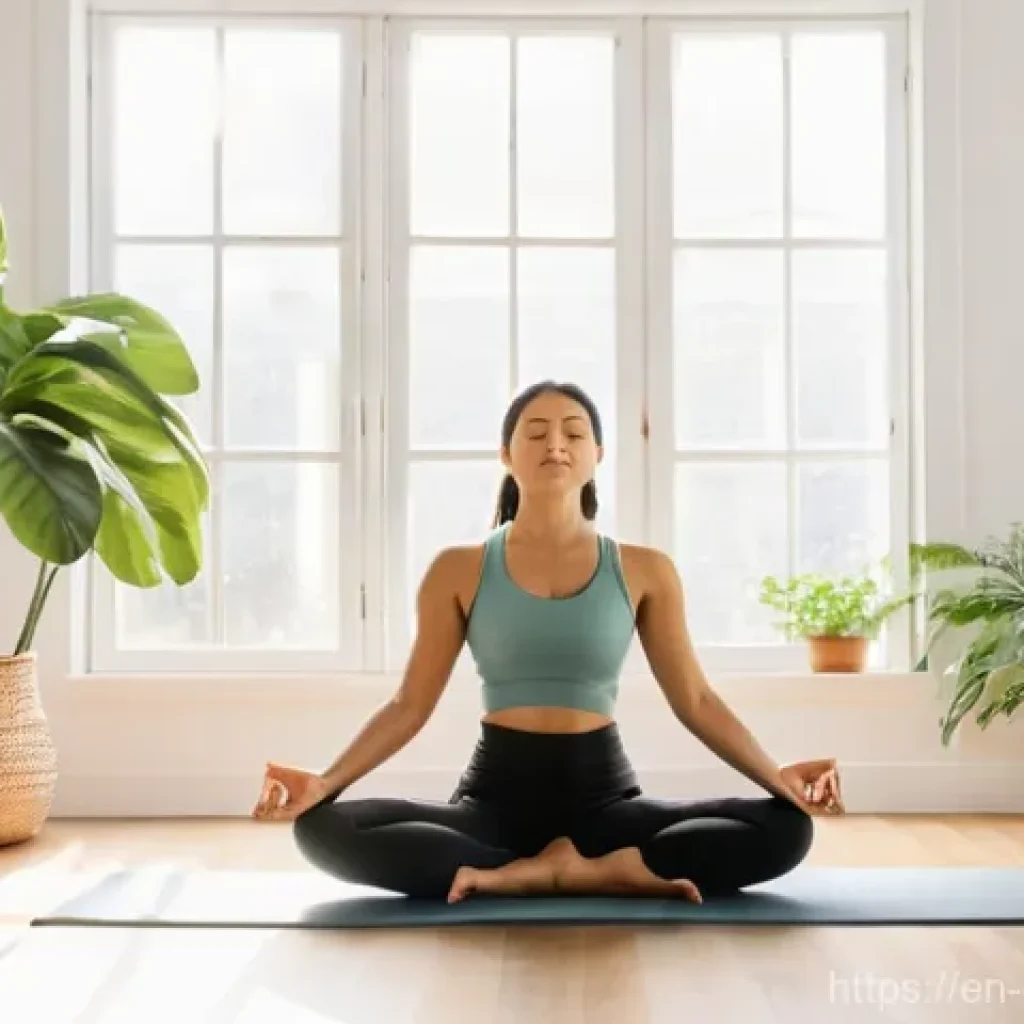
After those initial deep breaths, I usually roll out my yoga mat for a quick, gentle stretch. Nothing intense, just some cat-cow poses, a few downward dogs, and maybe some sun salutations if I’m feeling it.
It’s less about a strenuous workout and more about connecting with my body and shaking off any lingering stiffness from sleep. I’ve noticed that when I incorporate this small routine, my body feels more awake and ready to move, and my mind feels clearer.
And speaking of clear minds, I’m a huge advocate for conscious breathing exercises. Even just five minutes of box breathing (inhale for four, hold for four, exhale for four, hold for four) can dramatically calm my nervous system.
It’s like hitting a reset button for my brain, washing away any early morning jitters and setting a peaceful tone for whatever challenges the day might bring.
These aren’t just trendy self-help tips; they’re practices I’ve woven into my life, and they’ve truly helped me navigate stressful days with a sense of grounded calm that I never thought possible.
Recharging Your Energy with Intentional Movement
Okay, let’s talk about moving our bodies. I know, I know, sometimes the thought of working out feels like just another thing on the never-ending to-do list, right?
And when you’re already swamped with stress, that’s the last thing you want to add. But hear me out – intentional movement isn’t always about hitting the gym for an hour-long, high-intensity session.
For me, it’s become less about burning calories and more about burning off stress and boosting my mood. I’ve realized that my body literally craves movement, and when I deny it that, I feel sluggish, mentally foggy, and yes, even more stressed.
There’s something incredibly liberating about putting on my favorite tunes and just letting loose, whether it’s a brisk walk around the neighborhood or a spontaneous dance party in my living room.
This isn’t just theory; it’s something I’ve experienced firsthand. When I make time for some kind of movement, even small bursts, I feel a tangible shift in my energy levels and my ability to cope with daily pressures.
It’s like my brain gets a mini-vacation.
Finding Joy in Everyday Activity
I used to dread “workouts.” They felt like a chore, something I *had* to do. That changed when I started looking for ways to move that genuinely brought me joy.
For me, that meant dusting off my roller skates and cruising around the park, or taking my dog for longer, more adventurous walks where we discover new paths.
It doesn’t have to be a structured exercise class. It could be gardening, cleaning your house vigorously, or even just stretching while watching your favorite show.
The key is to find something that doesn’t feel like work, but rather like a release. When I started approaching movement from a place of joy instead of obligation, I found myself actually *wanting* to move.
It became a natural way to de-stress, a moment where I could clear my head and just enjoy the sensation of my body in motion.
Sweat It Out: Beyond the Gym
Sometimes, though, you just need a good, honest sweat. And for those moments, I’ve found that it doesn’t always require a fancy gym membership or complicated equipment.
There are so many incredible resources online now, from free yoga flows to high-energy dance workouts you can do right in your living room. During particularly stressful weeks, I’ll often put on a 20-minute HIIT video and just go for it.
The endorphin rush afterward is incredible – it’s like a natural anxiety reliever. Even a vigorous walk or run can do the trick. The physical exertion helps to release pent-up tension in my body, and I always feel a sense of accomplishment afterward.
It’s a powerful reminder that I can take control of how I feel, and that my body is capable of so much more than just sitting at a desk.
Creating Digital Boundaries for Mental Clarity
Let’s be honest, our phones are basically extensions of ourselves these days, right? And while they connect us to the world, they can also be a massive source of stress.
I used to be tethered to my phone, constantly checking notifications, emails, and social media. It created this relentless mental chatter, making it almost impossible to truly relax or focus.
My brain felt like a browser with a hundred tabs open at once! It was exhausting, and I realized that to truly find calm, I needed to create some clear, non-negotiable boundaries with my digital life.
It wasn’t easy at first; the fear of missing out (FOMO) was real. But once I started implementing these digital detox habits, the mental clarity and peace I gained were absolutely invaluable.
It’s like decluttering your mind, sweeping away all the digital dust bunnies that accumulate throughout the day.
The Art of the Tech-Free Zone
One of the best decisions I ever made was to establish tech-free zones in my home. The dining table? Absolutely no phones allowed.
My bedroom? That’s a sacred space for rest and relaxation, so all devices get charged in a different room overnight. This might sound extreme to some, but it has dramatically improved my sleep quality and the quality of my conversations with my family.
Instead of scrolling through Instagram during dinner, we actually talk, laugh, and connect. And in the bedroom, without the blue light and the constant temptation to check one last thing, my mind finally has a chance to wind down properly.
I’ve noticed that when I respect these boundaries, I feel more present, more engaged, and far less overwhelmed by the digital noise. It’s a small change with a huge payoff for your mental well-being.
Unplugging Before Bedtime
This one is a toughie for many, and it certainly was for me! I used to scroll through social media or watch videos right up until my head hit the pillow.
Not surprisingly, I’d lie there for ages, my mind buzzing with everything I’d just consumed. My sleep was restless and fragmented, and I’d wake up feeling drained.
Now, I have a strict “no screens 60 minutes before bed” rule. Instead, I read a physical book, listen to a calming podcast, or do some light journaling.
It gives my brain the signal that it’s time to switch off and prepare for rest. It took a while to get used to, but the difference in my sleep quality is night and day.
I fall asleep faster, sleep more soundly, and wake up feeling genuinely refreshed. It’s incredible how much a simple habit like this can impact your overall energy and resilience to stress.
Fueling Your Body and Soul for Sustained Well-being
We often hear about healthy eating and good sleep, but when you’re stressed, these are often the first things to go out the window, right? We reach for comfort food, skip meals, and sacrifice sleep to catch up on work or just decompress.
I’ve been there so many times, convincing myself that a bag of chips and a late-night Netflix binge would make me feel better. Spoiler alert: it never does, at least not in the long run.
In fact, it usually just adds to the cycle of fatigue and anxiety. What I’ve come to understand is that nurturing our bodies with good food and adequate rest isn’t a luxury; it’s a fundamental pillar of stress management.
It’s about giving your body the tools it needs to function optimally, to fight off those stress hormones, and to truly thrive. Think of it as investing in your internal resilience.
Mindful Eating, Not Just Eating
Eating for me used to be a very utilitarian act – shovel food in, move on. But when I started practicing mindful eating, everything changed. It’s not about restrictive diets or calorie counting; it’s about paying attention.
It means slowing down, savoring the flavors, noticing the textures, and truly listening to my body’s hunger and fullness cues. I try to incorporate whole, unprocessed foods that make me feel energized, rather than sluggish.
For instance, instead of grabbing a sugary snack when I hit an afternoon slump, I’ll reach for some berries and nuts. It’s incredible how much better I feel and how much more sustained my energy is.
This shift in perspective means I’m not just feeding my hunger; I’m nourishing my body and mind, which helps to keep my stress levels in check. It’s a profound act of self-care.
The Unsung Hero: Quality Sleep
If there’s one thing I can point to that has the most dramatic impact on my stress levels, it’s sleep. Or rather, the *lack* of it. For too long, I treated sleep as an optional extra, something I could cut back on when things got busy.
Big mistake! My mood would plummet, my concentration would vanish, and I’d become infinitely more susceptible to stress. Now, I prioritize sleep like it’s my job (which, in a way, it is, for my well-being!).
I aim for 7-8 hours consistently, and I’ve created a solid bedtime routine that signals to my body it’s time to wind down. This includes a warm shower, reading, and dimming the lights.
When I get adequate, quality sleep, I wake up feeling refreshed, mentally sharper, and much more capable of tackling whatever comes my way. It’s truly the foundation upon which all other good habits are built.
Unlocking Creativity and Joy in Your Daily Grind
Life can sometimes feel like an endless cycle of responsibilities, can’t it? Work, chores, errands – it’s all necessary, but where’s the *fun* in all of that?
For a long time, I compartmentalized creativity and joy, thinking they were luxuries reserved for weekends or holidays. My days were a serious business, and anything that felt “extra” was pushed aside.
But what I realized, through some pretty intense periods of burnout, is that stifling my creative spirit and neglecting activities that bring me genuine joy was actually a massive source of stress.
When I stopped making time for these outlets, I felt drained, uninspired, and frankly, a bit dull. Rediscovering my playful side and making space for creative expression has been a profound act of self-care, a way to inject vibrancy back into my routine and a powerful antidote to the daily grind.
Rediscovering Your Inner Artist
You don’t have to be Picasso or a published author to embrace creativity. For me, it started with something as simple as doodling in a notebook during a boring meeting or trying out a new recipe on a whim.
I’ve never considered myself an artist, but I recently started experimenting with watercolor painting, and it’s become this incredibly soothing, meditative practice.
There’s no pressure for it to be good; it’s just about the process. The act of creating something, anything, engages a different part of my brain, allowing my analytical, problem-solving mind to take a much-needed break.
It’s a fantastic way to get into a “flow state” where you lose track of time, and all your worries momentarily melt away. Even if it’s just 15 minutes, it’s a powerful mental escape.
Hobbies as Your Personal Sanctuary

Beyond structured creativity, there are those hobbies that just make your heart sing. For me, it’s gardening. Getting my hands dirty, watching something grow from a tiny seed – there’s something incredibly grounding and rewarding about it.
It pulls me away from screens and emails, connecting me to nature and a slower pace of life. What’s your thing? Is it playing an instrument, knitting, building models, or perhaps photography?
Whatever it is, make time for it. These hobbies aren’t frivolous; they’re essential for mental well-being. They provide a sanctuary, a place where you can recharge your batteries and rediscover a sense of purpose and enjoyment outside of your obligations.
I’ve noticed that when I regularly engage in my hobbies, I return to my responsibilities with renewed energy and a much more positive outlook.
Cultivating Connections: The Human Element of Calm
You know, it’s easy to get caught up in our own worlds, especially when we’re feeling stressed. We might retreat, thinking we’re protecting ourselves, but isolating ourselves can actually make things worse.
I’ve definitely been guilty of this, cancelling plans and turning inward when I felt overwhelmed. However, what I’ve learned through my own journey is that meaningful human connection is one of the most powerful buffers against stress.
It’s not about having a huge social circle, but about nurturing the relationships that truly matter and feeling a sense of belonging. Sharing a laugh, a worry, or even just a quiet moment with someone you trust can feel like a massive weight lifted off your shoulders.
It reminds us that we’re not alone in this crazy ride called life.
Nurturing Your Social Circle
In our hyper-connected world, it’s easy to mistake online interactions for genuine connection. While social media has its place, nothing beats face-to-face time or even a good old-fashioned phone call with a friend or family member.
I’ve made it a point to schedule regular catch-ups, even if it’s just a coffee date or a walk in the park. These aren’t just social obligations; they’re vital appointments for my mental health.
When I share what’s on my mind with a trusted friend, I often gain new perspectives or simply feel heard, which is incredibly validating. And sometimes, it’s just about having a good laugh, completely forgetting about whatever stressor was looming.
These moments of shared humanity are absolutely priceless and contribute so much to my overall sense of peace.
The Simple Power of Giving Back
Beyond receiving support, I’ve discovered immense joy and a significant reduction in my own stress by simply giving back. It doesn’t have to be a grand gesture; it can be something as small as helping a neighbor carry groceries, volunteering an hour of your time, or simply offering a genuine compliment to someone.
When I focus on contributing to others, it shifts my perspective away from my own worries and reminds me of the bigger picture. There’s a profound sense of purpose and connection that comes from knowing you’ve made a positive impact, however small, on someone else’s day.
It truly is one of the most effective ways I’ve found to step outside of my own stress and find a sense of calm and gratitude.
Taming the To-Do List: Strategic Planning for Peace of Mind
Ah, the infamous to-do list. For many of us, it’s a never-ending monster that looms over our heads, constantly reminding us of everything we *haven’t* done.
I used to feel utterly suffocated by my own lists, constantly adding new items and rarely feeling the satisfaction of checking everything off. This perpetual feeling of inadequacy was a huge stressor.
What I’ve slowly learned, often through trial and error, is that it’s not about eliminating the to-do list, but about approaching it strategically. It’s about turning that monster into a manageable, even friendly, guide that helps you navigate your day with a sense of purpose and accomplishment, rather than dread.
This shift in mindset has been revolutionary for reducing my daily anxiety about tasks.
The Art of Realistic Goal Setting
One of my biggest revelations was understanding that I’m only one person, and there are only so many hours in a day. Sounds obvious, right? But my past self would try to cram 10 hours of work into an 8-hour day, leading to inevitable disappointment and stress.
Now, I try to be realistic about what I can genuinely achieve. I break down large tasks into smaller, more manageable steps. Instead of “Write Blog Post,” I’ll list “Outline Blog Post,” “Draft Section 1,” “Edit Introduction.” This makes the process feel less daunting and gives me more opportunities to experience mini-victories throughout the day.
I also prioritize ruthlessly, using a simple A, B, C system (A being urgent/important, B important but not urgent, C nice to do). This helps me focus my energy where it truly matters and avoid getting bogged down by less critical items.
Delegating and Letting Go
This was a tough one for me, a self-proclaimed control freak! I used to believe that if I wanted something done right, I had to do it myself. This, of course, led to me being completely overwhelmed and resentful.
Learning to delegate, both in my professional and personal life, has been a game-changer. It’s not a sign of weakness; it’s a sign of smart time management and a healthy understanding of your own limits.
If someone else can handle a task effectively, why not let them? And sometimes, “letting go” means accepting that something won’t get done perfectly, or even that it won’t get done at all today, and that’s okay.
It’s about being kind to myself and recognizing that my worth isn’t tied to the length of my completed to-do list. This mental shift has freed up so much mental space and significantly reduced my stress levels.
| Activity Category | Example Habits | Key Benefits for Stress Relief |
|---|---|---|
| Mindfulness & Reflection | Meditation, journaling, conscious breathing, gratitude practices | Increased focus, emotional regulation, reduced anxiety, improved mood |
| Physical Activity | Walking, yoga, dancing, strength training, sports, gardening | Endorphin release, improved mood, better sleep, physical tension release |
| Digital Detox | No-phone zones, screen-free hours, app limits, technology fasts | Reduced mental clutter, better sleep hygiene, increased presence, improved concentration |
| Creative Expression | Drawing, playing an instrument, writing, cooking, crafts, photography | Emotional release, flow state, sense of accomplishment, mental break |
| Social Connection | Calling a friend, family meal, volunteering, community activities | Sense of belonging, reduced loneliness, emotional support, perspective shift |
| Planning & Organization | Realistic goal setting, task prioritization, delegation, decluttering | Reduced overwhelm, increased sense of control, improved productivity, mental clarity |
Cultivating Gratitude and Reflective Moments
It’s so easy to get caught up in what’s going wrong, isn’t it? Our brains seem wired to spot problems and potential threats, and while that was super useful for our ancestors, in modern life, it can lead to a constant state of low-level anxiety.
I used to spend a lot of time mentally replaying negative interactions or worrying about future challenges, and it honestly just made me feel worse. What I’ve discovered, through my own struggles and explorations, is the incredible, almost magical power of gratitude.
It’s not about ignoring challenges or pretending everything is perfect, but about intentionally shifting your focus, even for a few minutes, to acknowledge the good things in your life.
This practice has genuinely retrained my brain to look for the positives, and it has had a profound impact on my overall mood and resilience to stress.
The Simple Act of Daily Gratitude
My gratitude practice started small: just jotting down three things I was grateful for each evening. It could be anything – a sunny morning, a kind word from a colleague, a delicious cup of coffee, or even just the comfort of my bed.
At first, it felt a little forced, like I was trying too hard to be positive. But over time, it became a natural habit. I started noticing these small joys throughout my day, proactively looking for them.
This simple shift in perspective has been a massive game-changer. It helps to reframe challenges, reminding me that even on tough days, there are still blessings to be found.
It cultivates a sense of abundance and contentment that acts as a powerful antidote to stress and negativity.
Reflecting and Learning from Your Day
Beyond gratitude, I’ve found immense value in taking a few moments at the end of each day to reflect. This isn’t about dwelling on mistakes or revisiting worries; it’s about processing the day’s events and learning from them.
I usually do this through a short journaling session, just free-writing about how I felt, what went well, and what I might do differently tomorrow. It’s like a mental debriefing that helps me put the day to rest, rather than carrying lingering thoughts into my sleep.
This practice allows me to acknowledge any stresses or frustrations, process them, and then consciously let them go. It’s a wonderful way to create closure for the day and foster a sense of continuous growth and self-awareness, which are both crucial for maintaining long-term calm and mental well-being.
글을마치며
Whew! We’ve covered a lot today, haven’t we? It’s been a real journey through the simple yet profound shifts that can genuinely transform how you experience your days. From the quiet power of a mindful morning to the surprising joy of a spontaneous dance break, and even the peace that comes from a well-managed to-do list, these aren’t just abstract concepts. They’re practices I’ve personally woven into my own life, and let me tell you, they’ve made a world of difference in navigating the ups and downs. It’s truly about finding what resonates with you, experimenting, and being kind to yourself along the way. Your well-being is worth investing in, and sometimes, the smallest changes yield the biggest returns.
알아두면 쓸모 있는 정보
1. Starting your day with intention, even just a few minutes of quiet breathing or gentle stretching, can dramatically shift your outlook and reduce stress levels before the day even truly begins. I’ve found this to be a powerful shield against morning chaos.
2. Physical movement doesn’t always mean a hardcore gym session. Find activities that genuinely bring you joy, whether it’s dancing, gardening, or a brisk walk. This makes it sustainable and a true stress-buster.
3. Creating clear digital boundaries, like tech-free zones or unplugging before bed, is absolutely vital for mental clarity and improving sleep quality. It was tough for me at first, but the payoff in peace of mind is immeasurable.
4. Prioritizing nutritious food and consistent, quality sleep isn’t a luxury; it’s the bedrock of your energy and resilience. Treating your body with kindness helps it better combat the physical effects of stress.
5. Cultivating gratitude, engaging in creative hobbies, nurturing real-life connections, and setting realistic goals for your to-do list are all deeply personal, yet universally effective, ways to build a more joyful and less stressful life. These are habits that truly feed your soul.
중요 사항 정리
Ultimately, transforming your relationship with stress is an ongoing journey, not a destination. It’s about building a collection of small, intentional habits that cumulatively create a more balanced and fulfilling life. Remember, you have the power to curate your experiences, calm your mind, and infuse your days with purpose and joy. Keep experimenting, keep learning, and most importantly, keep nurturing the incredible person you are.
Frequently Asked Questions (FAQ) 📖
Q: How can I even begin to integrate new habits when my schedule is already bursting at the seams?
A: Oh, my friend, I totally hear you on this one! It’s the classic dilemma, right? We know we should do more for ourselves, but the thought of adding another thing to our never-ending to-do list feels like trying to squeeze an elephant into a Mini Cooper.
What I’ve learned, through countless attempts and a few epic fails myself, is that the trick isn’t about adding more to your plate, but about starting ridiculously, almost comically, small.
Think “micro-habits.” Instead of aiming for a 30-minute meditation, how about just 60 seconds of focused breathing while your coffee brews? Or instead of a full workout, what if you just do five squats while waiting for the microwave?
My personal game-changer was what I call “habit stacking.” I’d link a new tiny habit to an existing one. For example, every time I filled my water bottle, I’d take three slow, deep breaths.
Before I knew it, those three breaths became automatic, a little anchor of calm woven seamlessly into my day. It’s about finding those tiny, almost invisible pockets of time you already have and injecting a moment of calm, not creating a whole new block of time.
Trust me, it feels less like an obligation and more like a gentle whisper to your busy mind.
Q: What specific “small, consistent habits” have you found to be the most impactful for stress reduction?
A: This is where the magic really happens, and honestly, it’s been a journey of discovery for me! After trying a bunch of things, some more successful than others, a few key habits have truly stood out as my personal stress-busters.
First up: a short morning ritual. I’m talking 5-10 minutes, max. For me, it’s a quick stretch to wake up my body and then jotting down three things I’m grateful for in a tiny notebook.
It sets a positive tone without feeling like a chore. Second, and this might sound simple but it’s huge: mindful hydration. I keep a water bottle with me and consciously take a few sips every hour or so, using it as a mini-reset moment.
Just that pause, that physical act of nourishing my body, brings me back to the present. Third, and this one has been a revelation, is what I call the “digital sunset.” About an hour before bed, I put my phone away from my reach.
No scrolling, no last-minute emails. Instead, I might read a physical book or just chat with my partner. The difference in my sleep quality and overall morning energy is absolutely astounding!
It’s not about perfection; it’s about consistently showing up for these tiny moments.
Q: I’ve tried building new routines before, but they never seem to stick. How can I ensure these habits become a lasting part of my day?
A: Oh, you are absolutely not alone there! I’ve been on that merry-go-round of starting strong only to fizzle out, more times than I care to admit. It’s disheartening, isn’t it?
But here’s what I’ve learned about making habits truly stick, like super glue to your routine. The biggest shift for me was understanding that it’s not about willpower; it’s about making it easy and meaningful.
First, reconnect with your “why.” Really dig deep: why do you want this habit? If it’s just because you should, it’s less likely to last. If it genuinely connects to feeling calmer, more energized, or more present, that emotional fuel is powerful.
Second, make it ridiculously easy to start. If you want to journal, leave your notebook and pen right on your pillow. If you want to drink more water, fill your bottle the night before.
Remove any friction! Third, and this is crucial, celebrate every win, no matter how tiny. Did you do that 60-second meditation?
Give yourself a mental high-five! Don’t beat yourself up if you miss a day; just pick it up tomorrow. And finally, consider an accountability partner or even a simple app tracker.
Seeing that chain of success visually, or knowing someone is cheering you on, can be incredibly motivating. It’s less about being perfect and more about being persistent and kind to yourself through the process.